Completed Work
Real properties across South Florida. Where we have a before frame we have put it next to the after, because that is the only honest way to show what the work actually did.
Same property, two visits
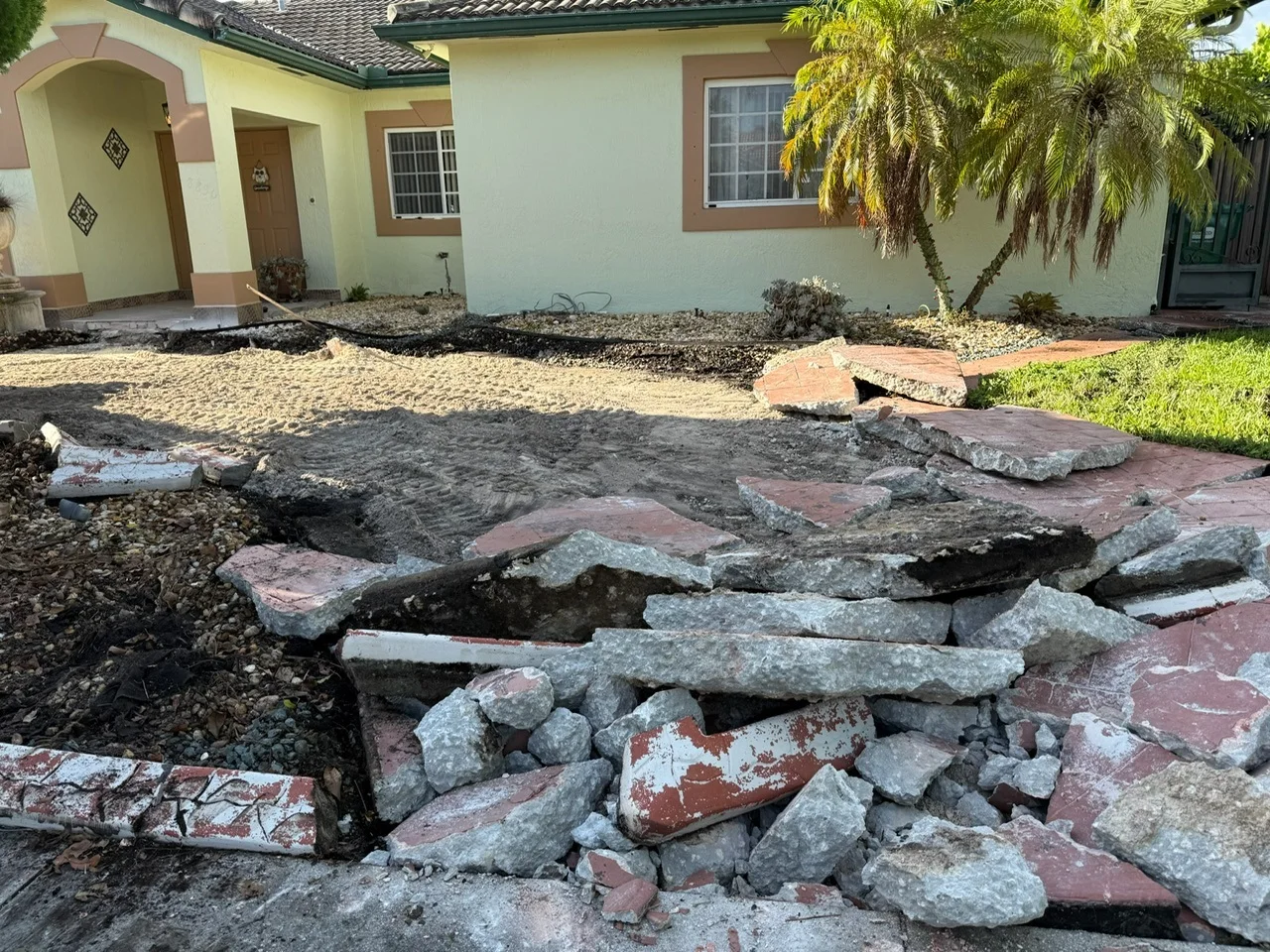 Before
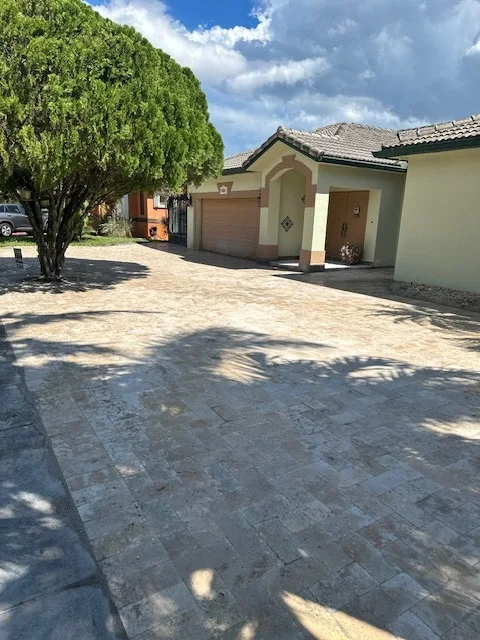 After
After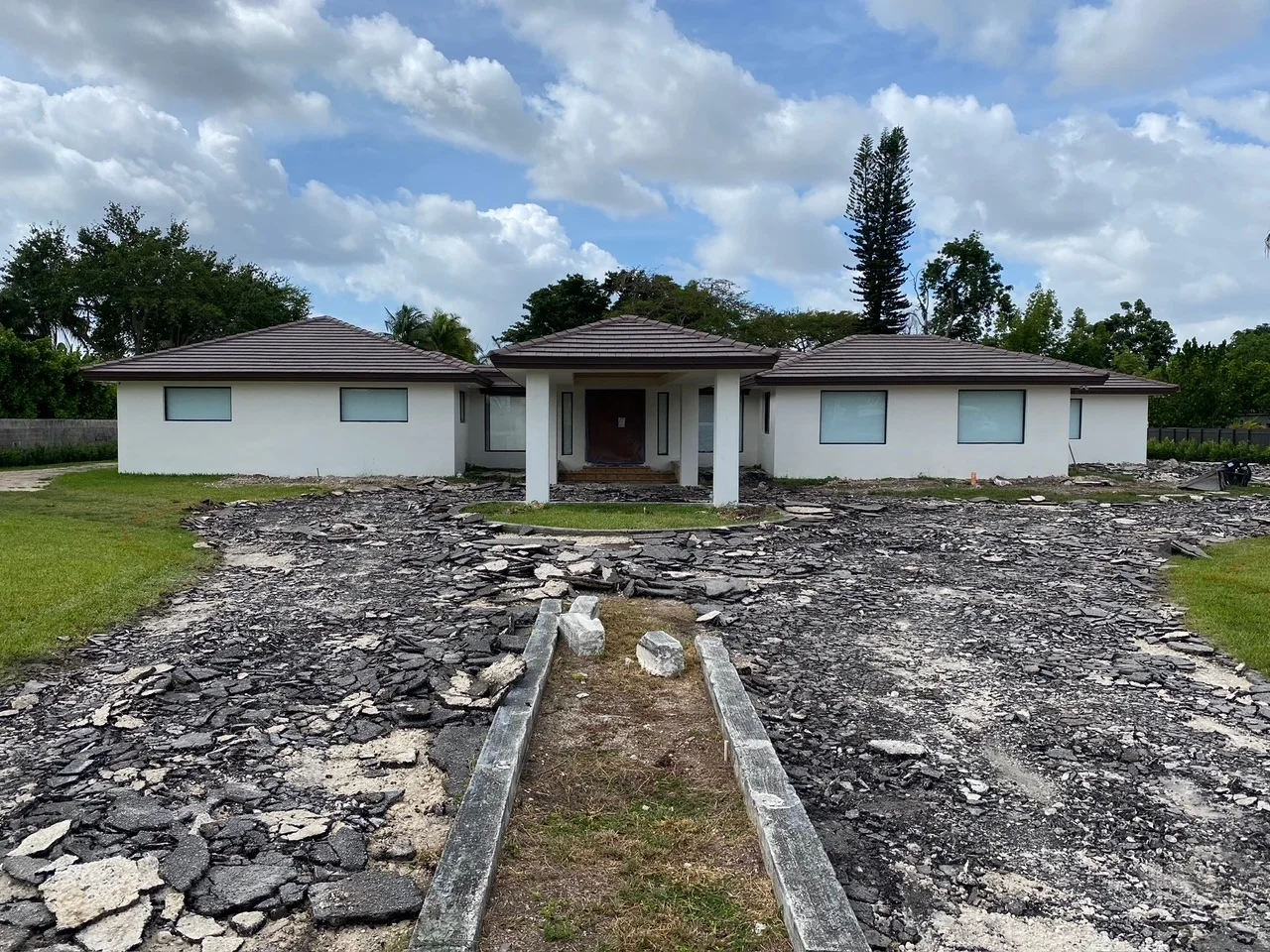 Before
 After
After Before
 After
After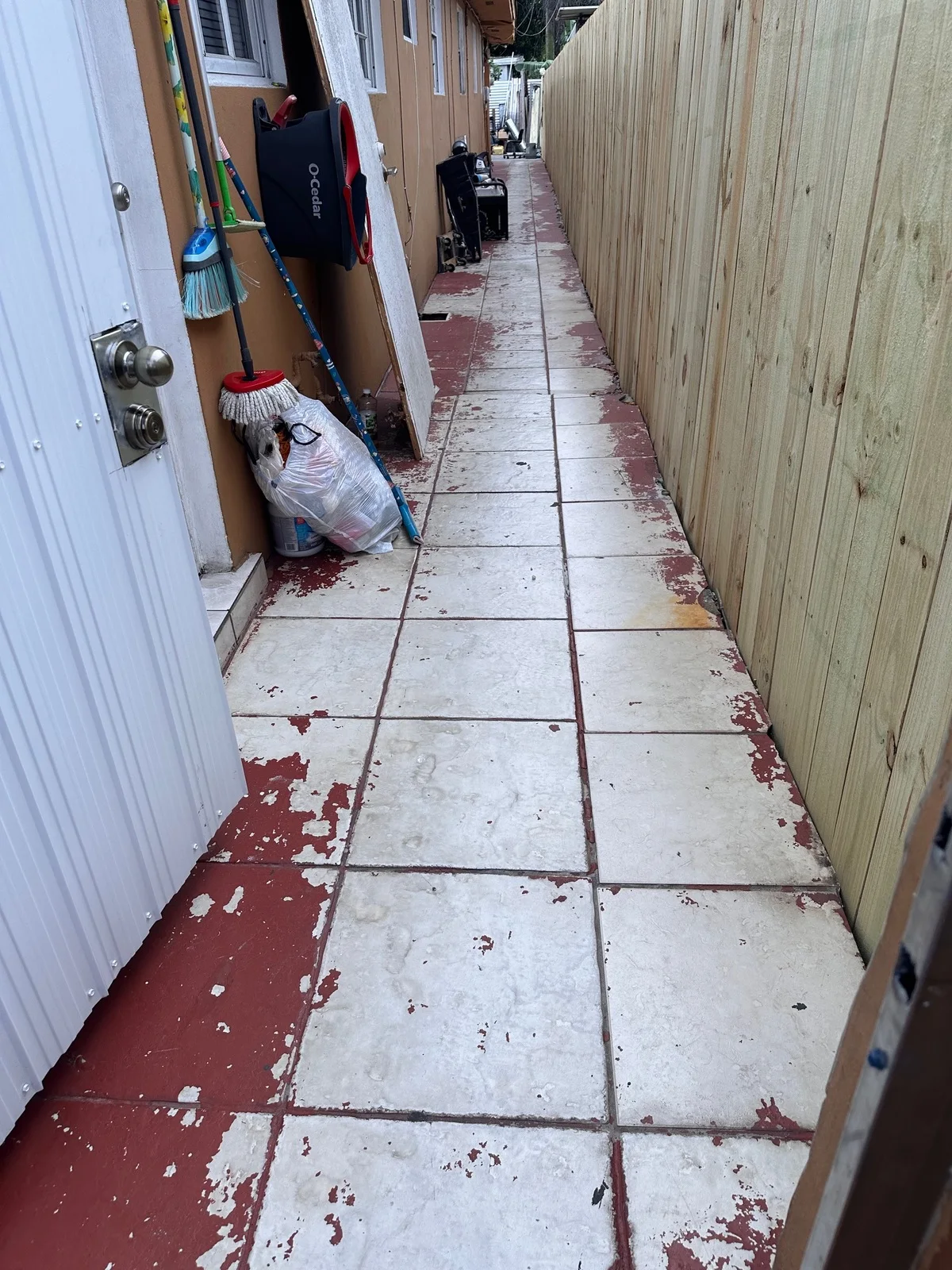 Before
 After
After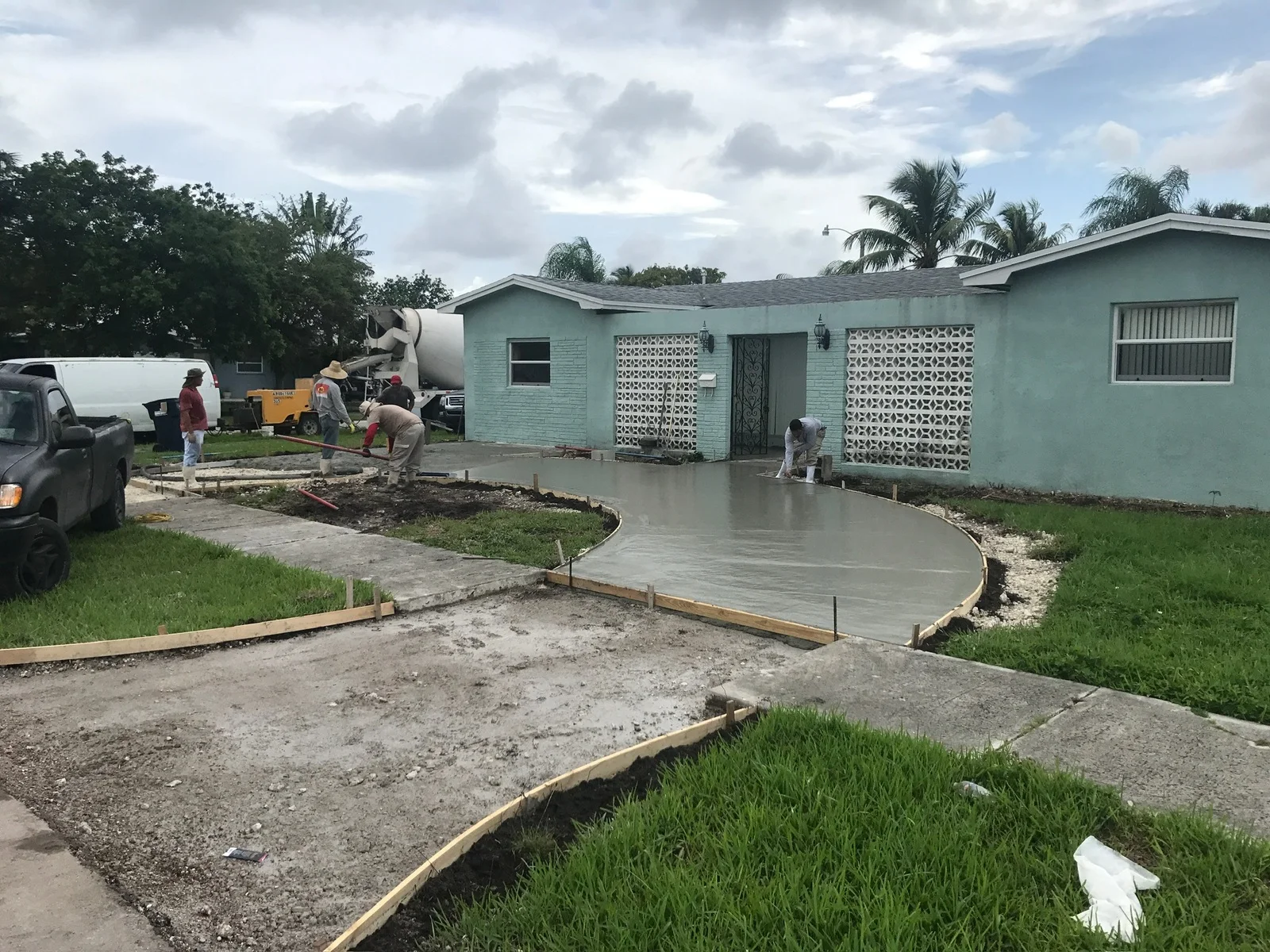 During
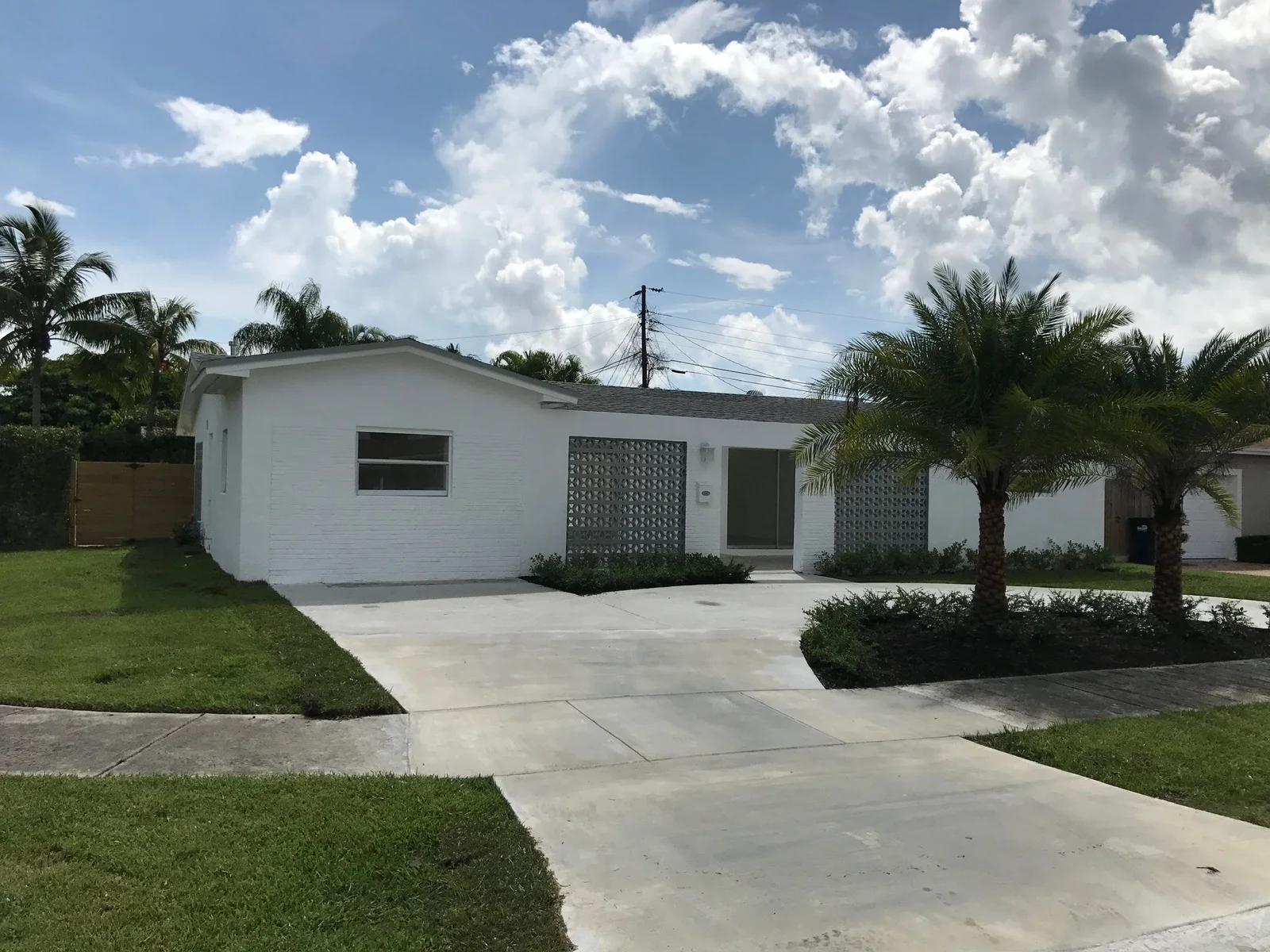 After
After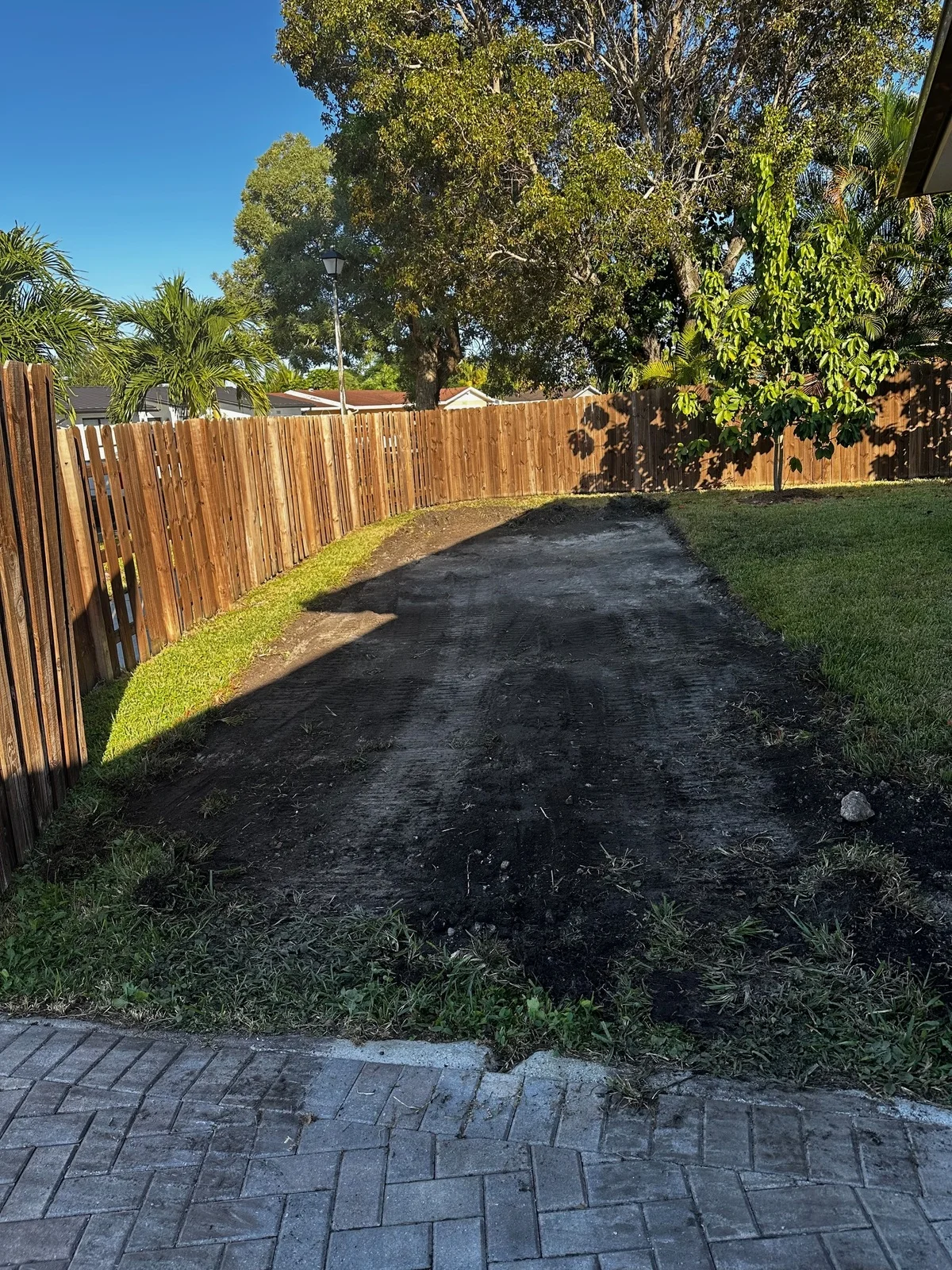 Before
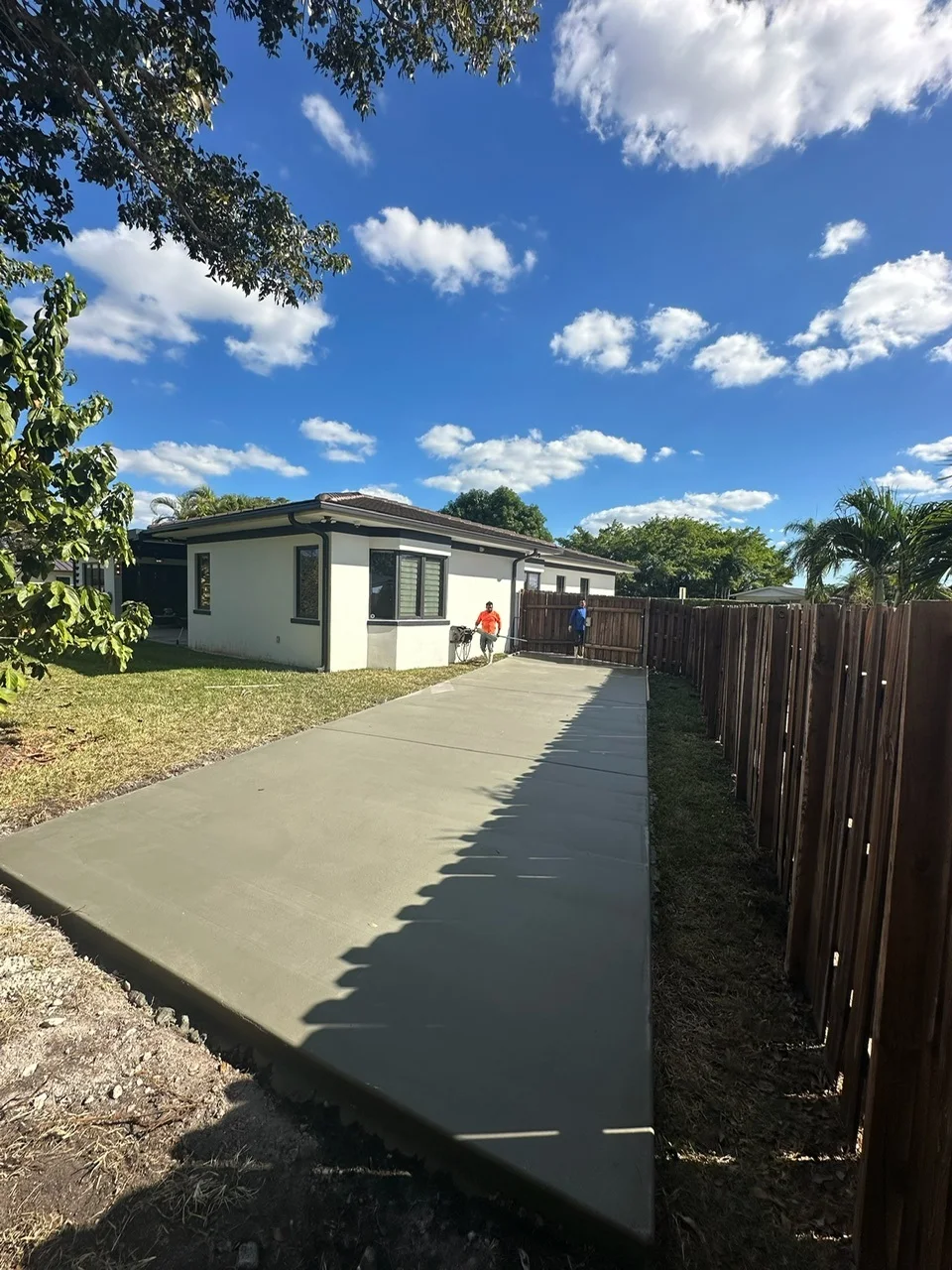 After
After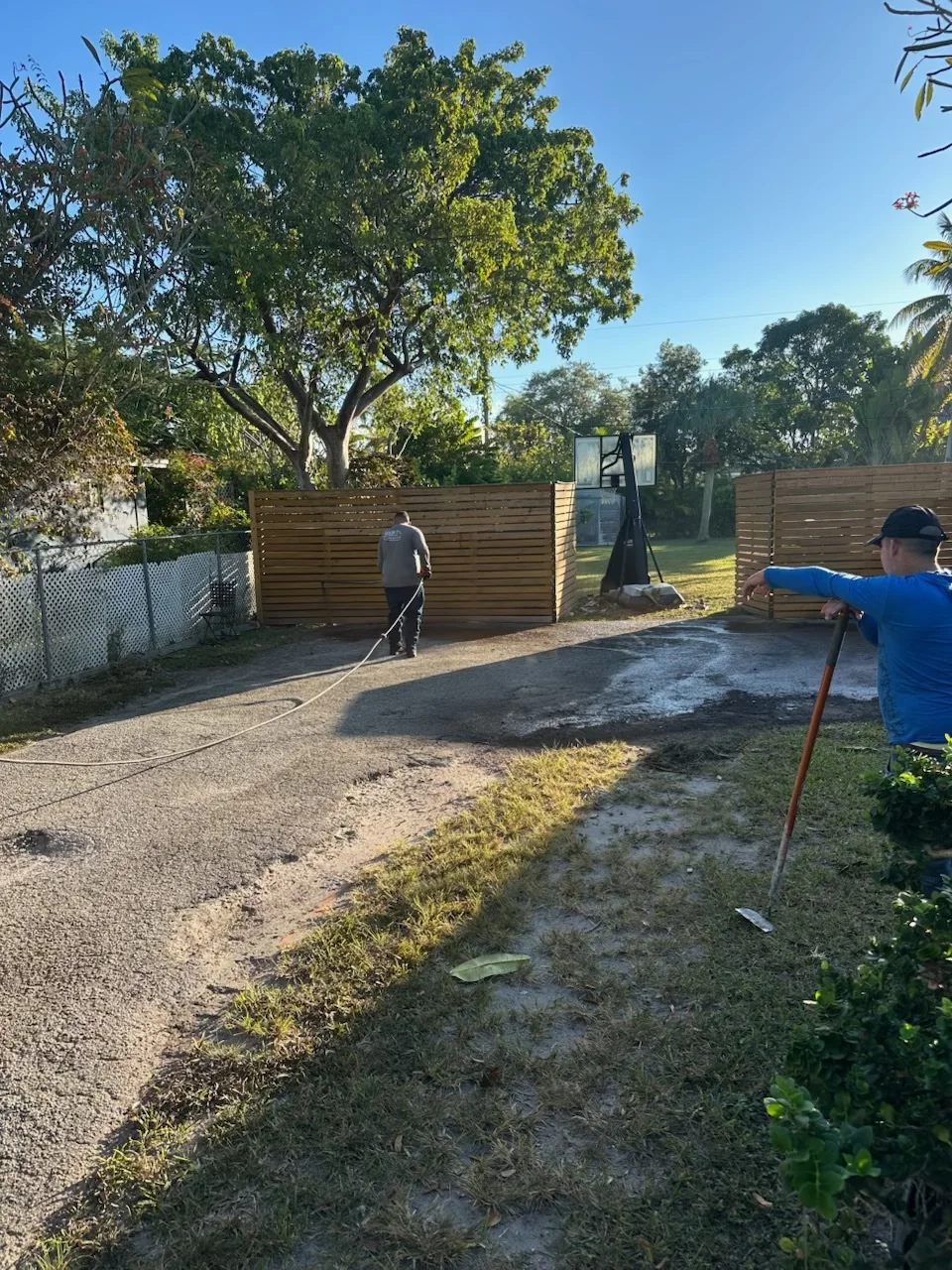 Before
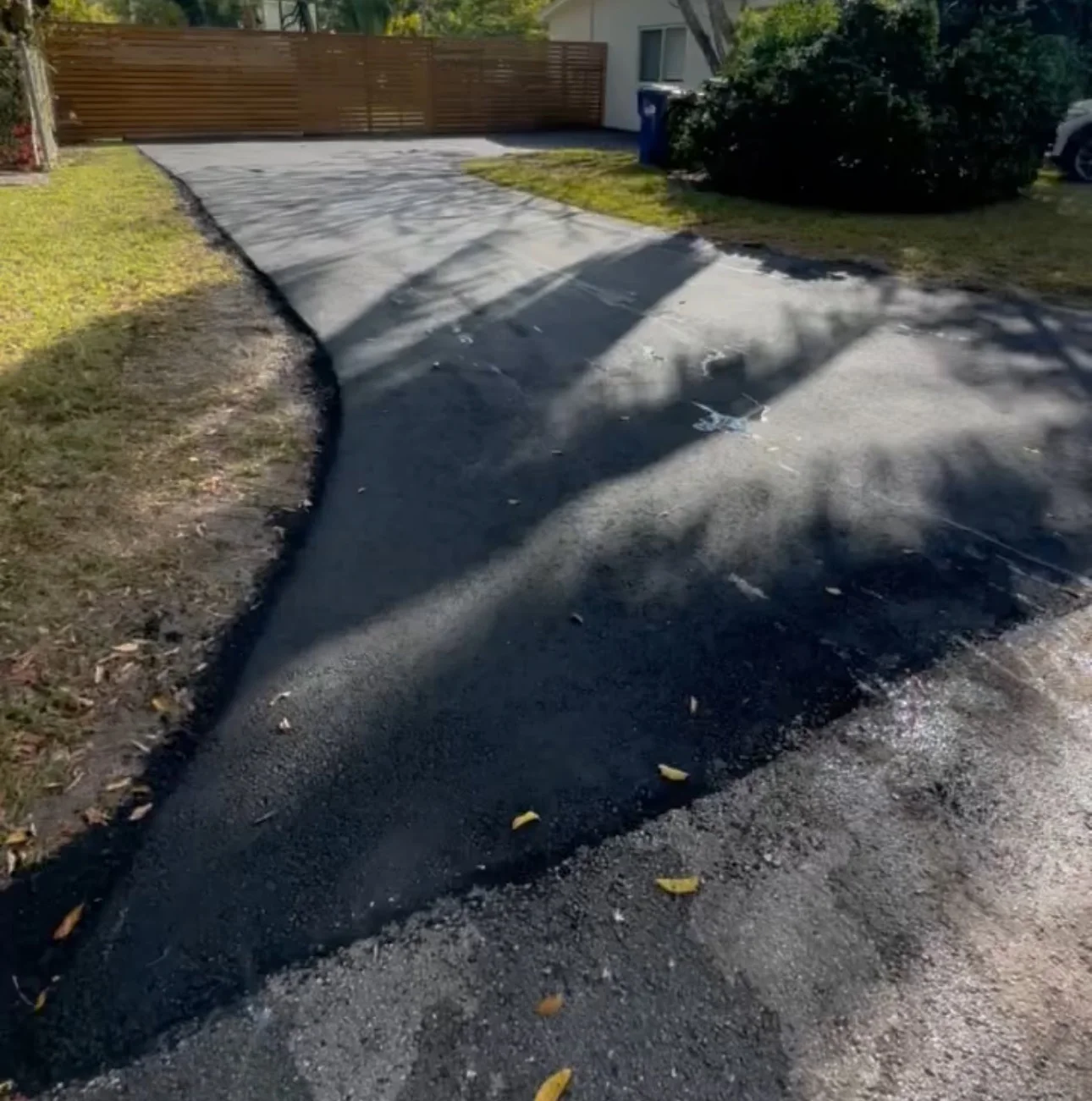 After
After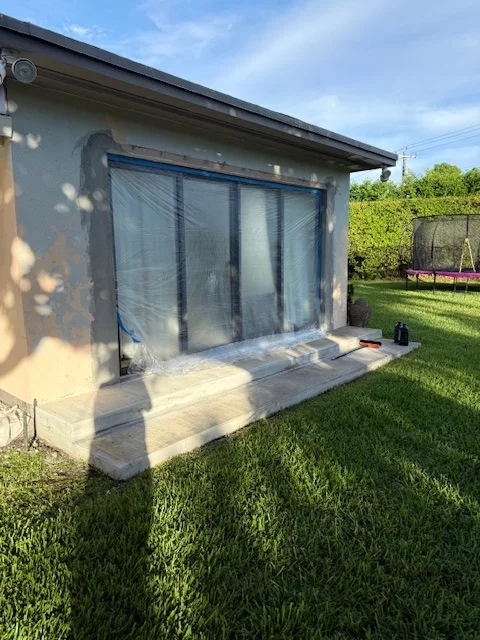 Before
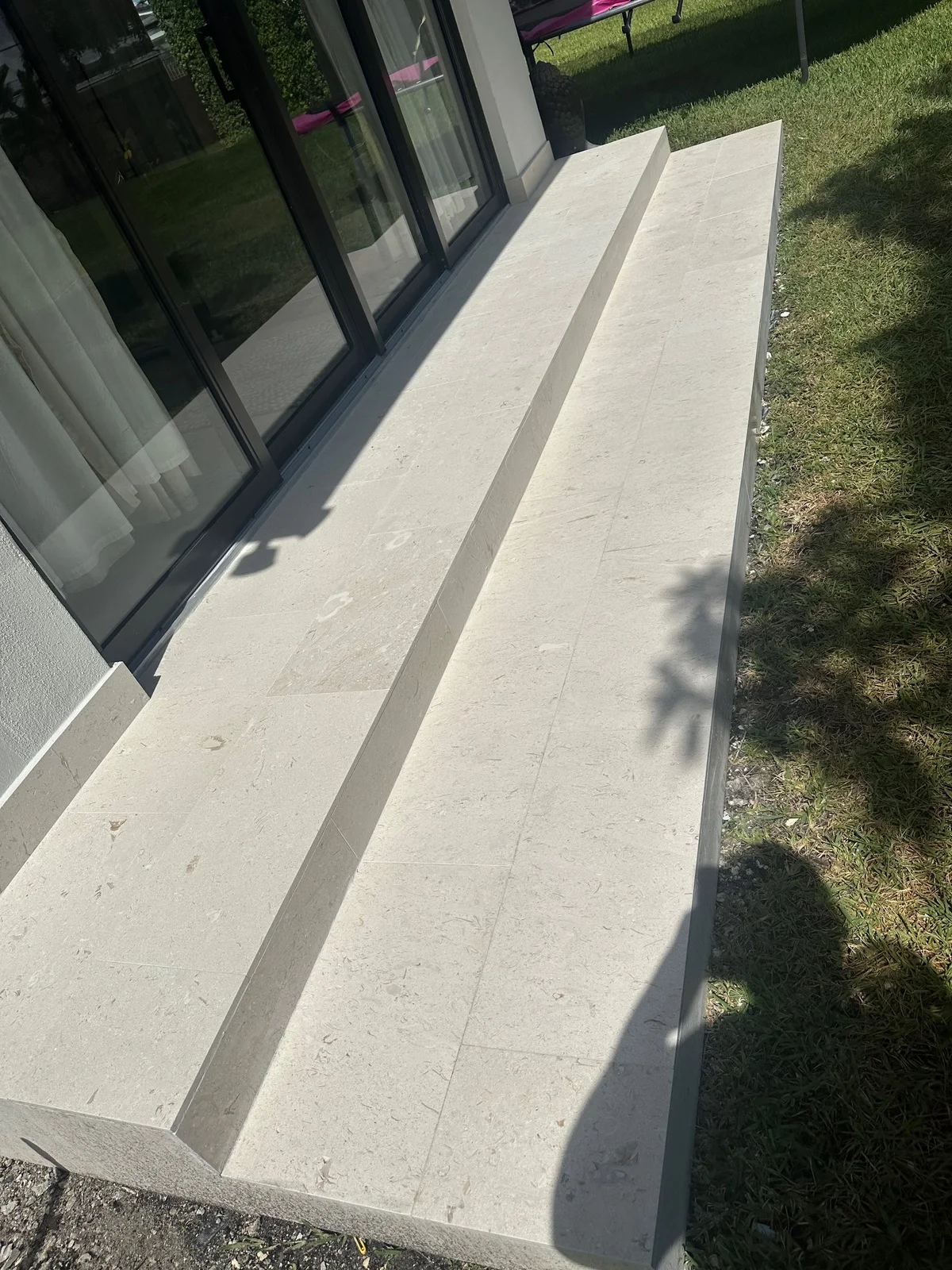 After
AfterCloser in
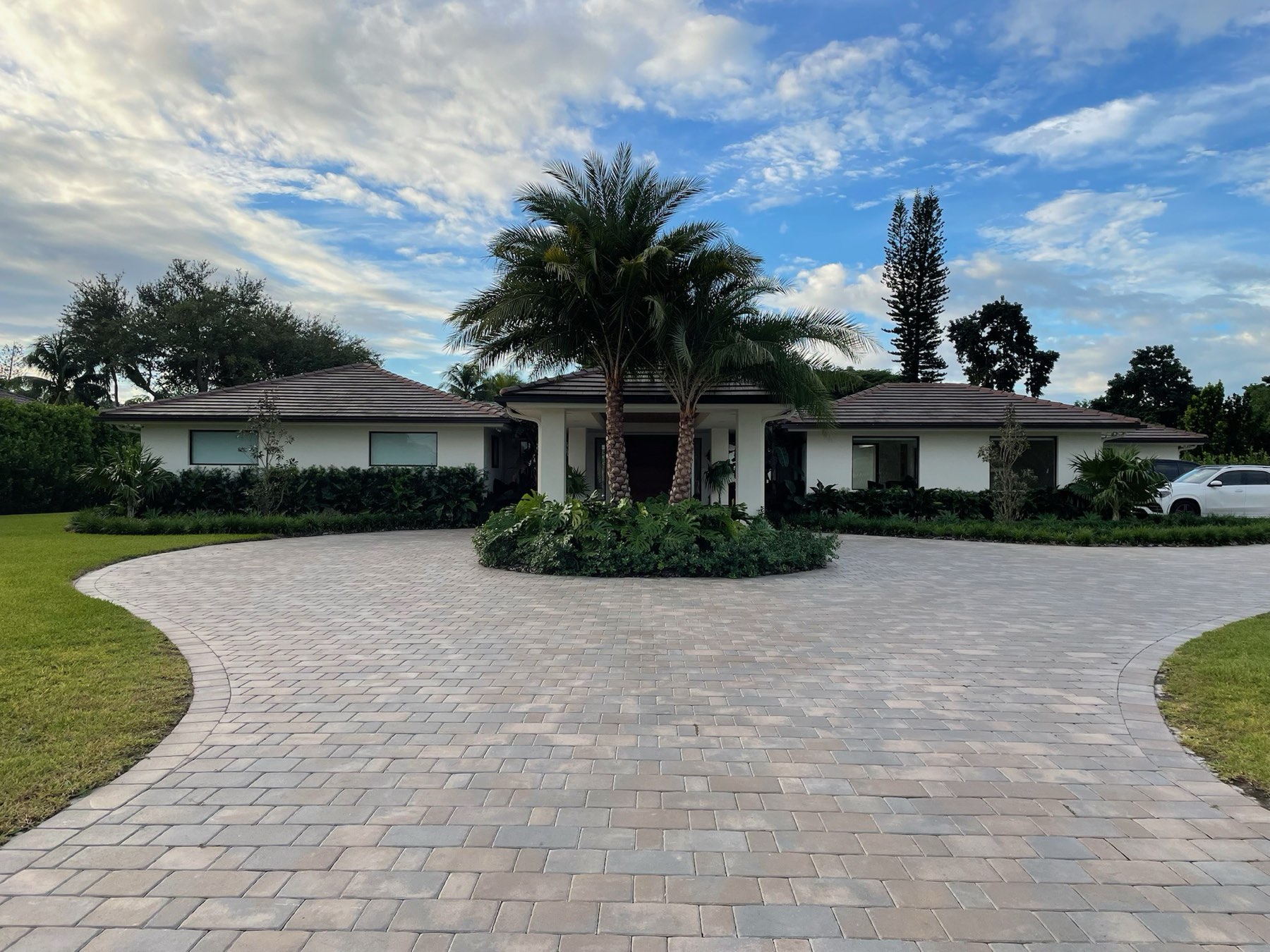
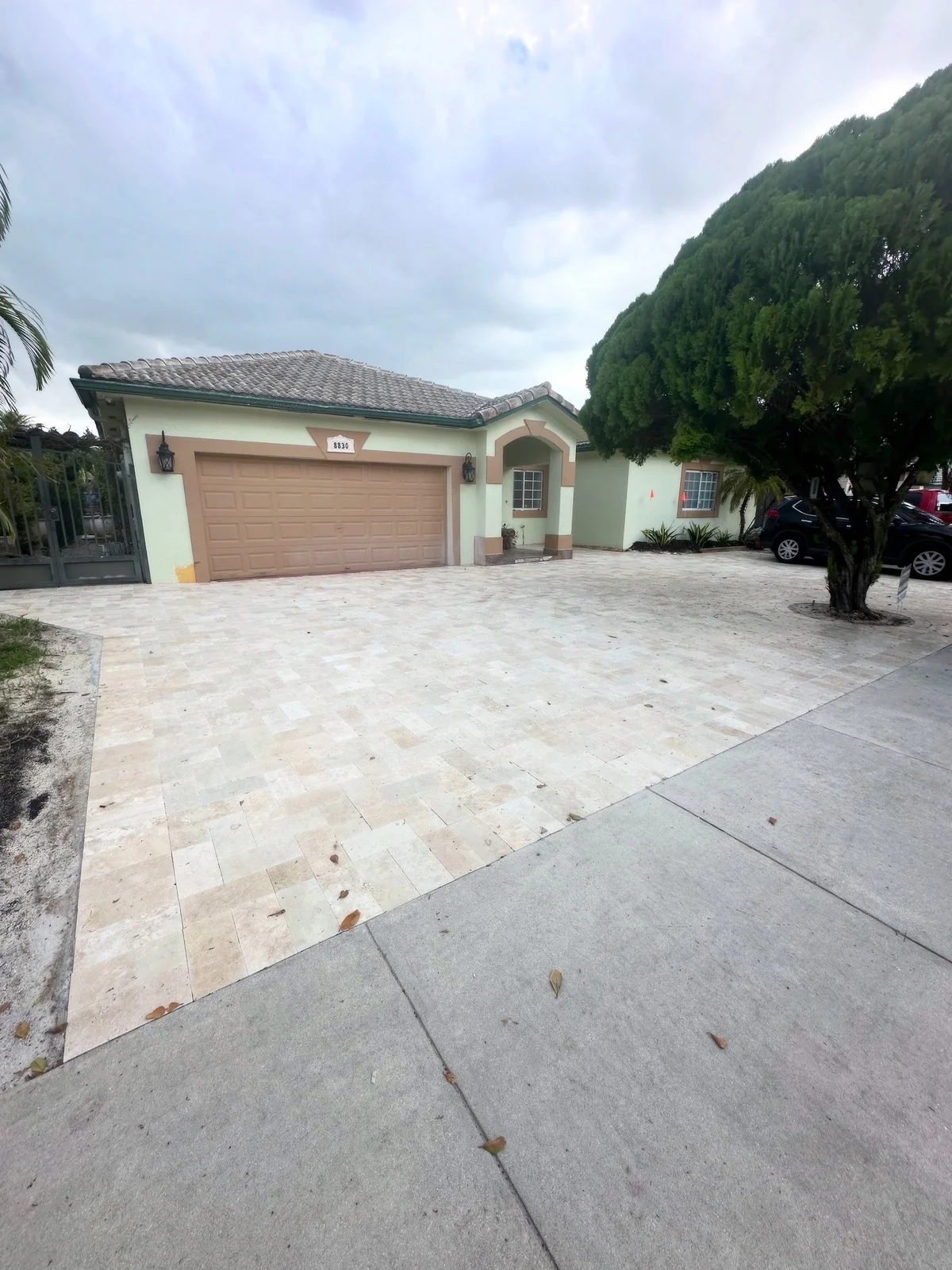
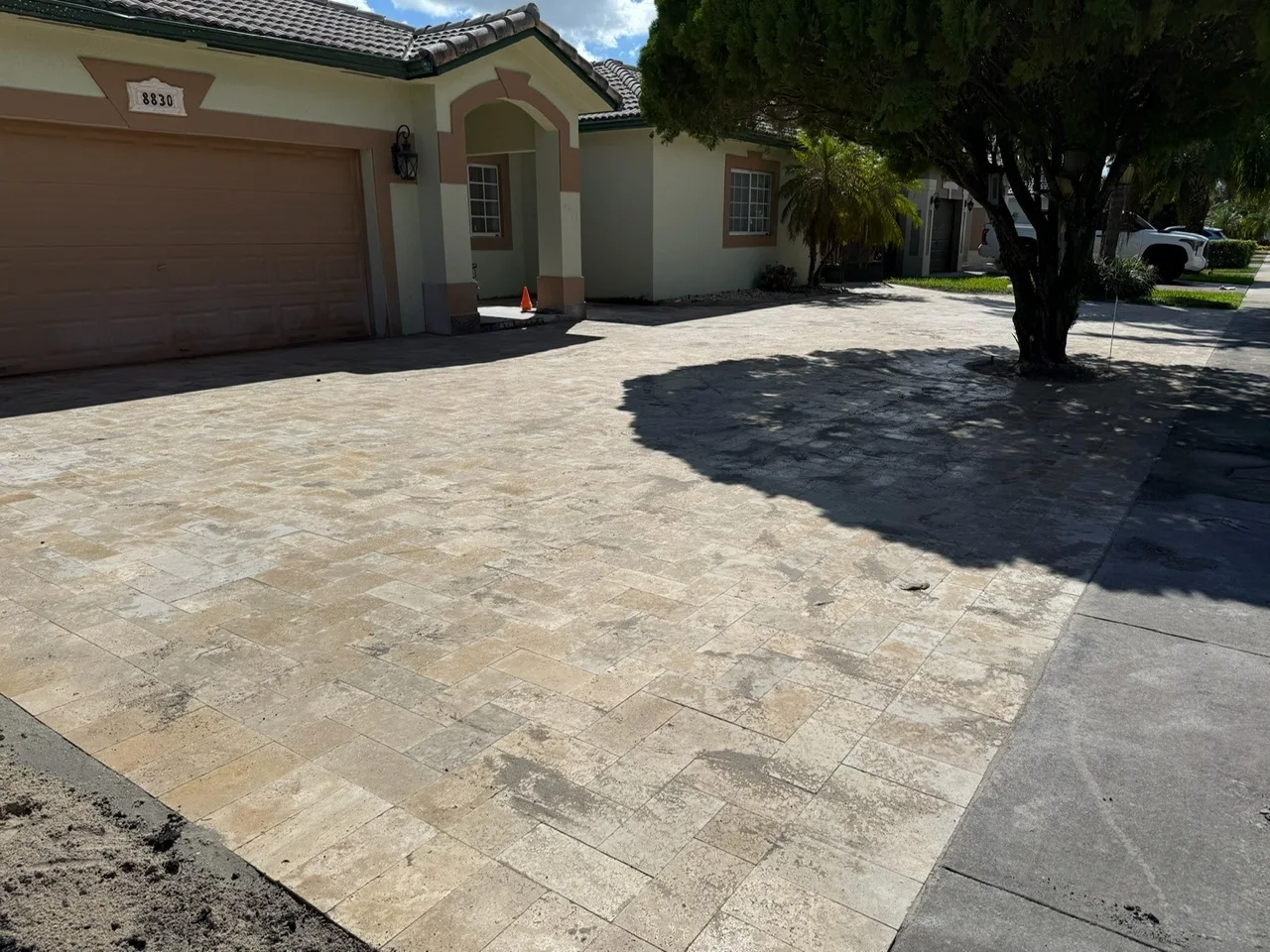
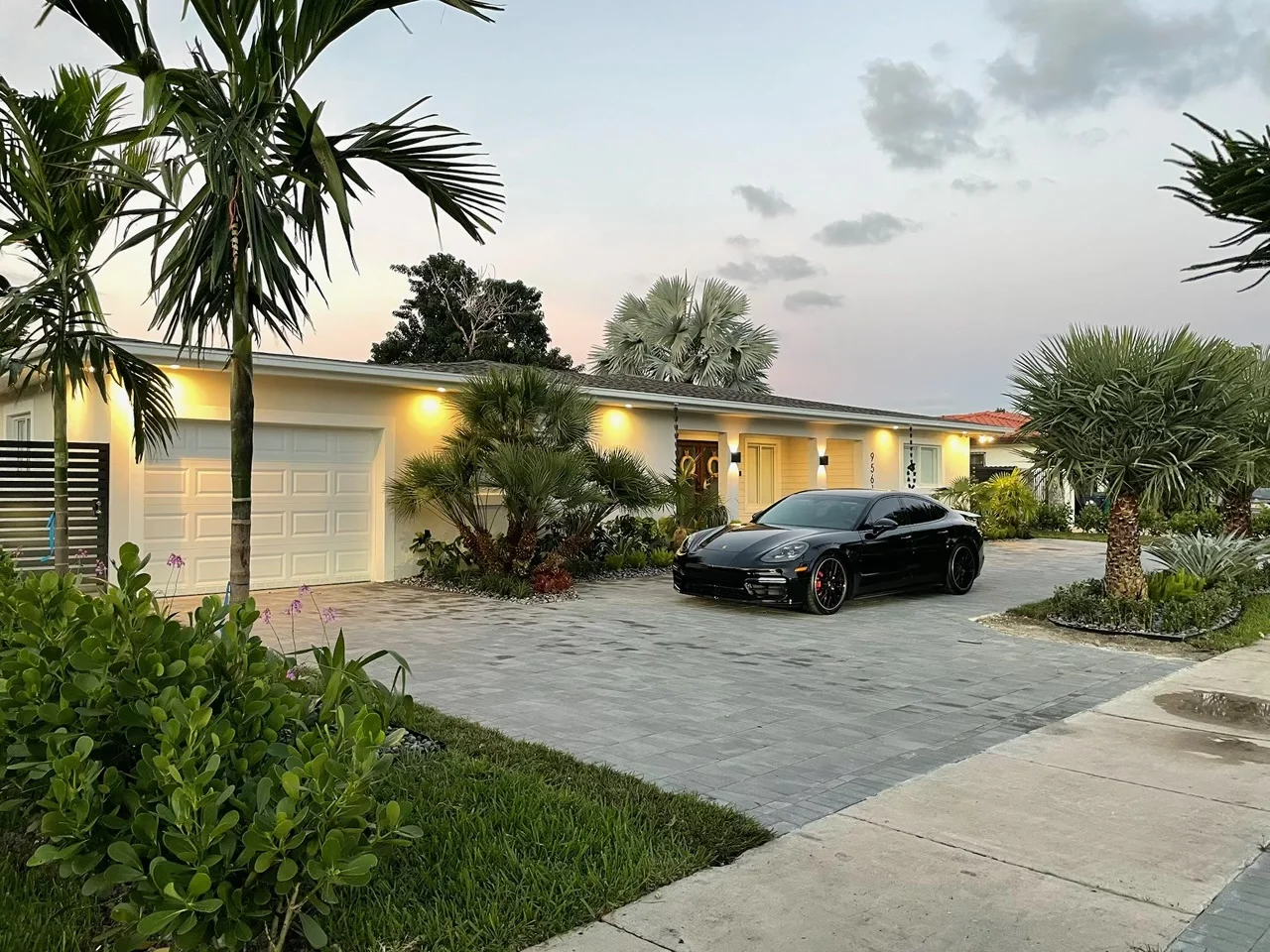

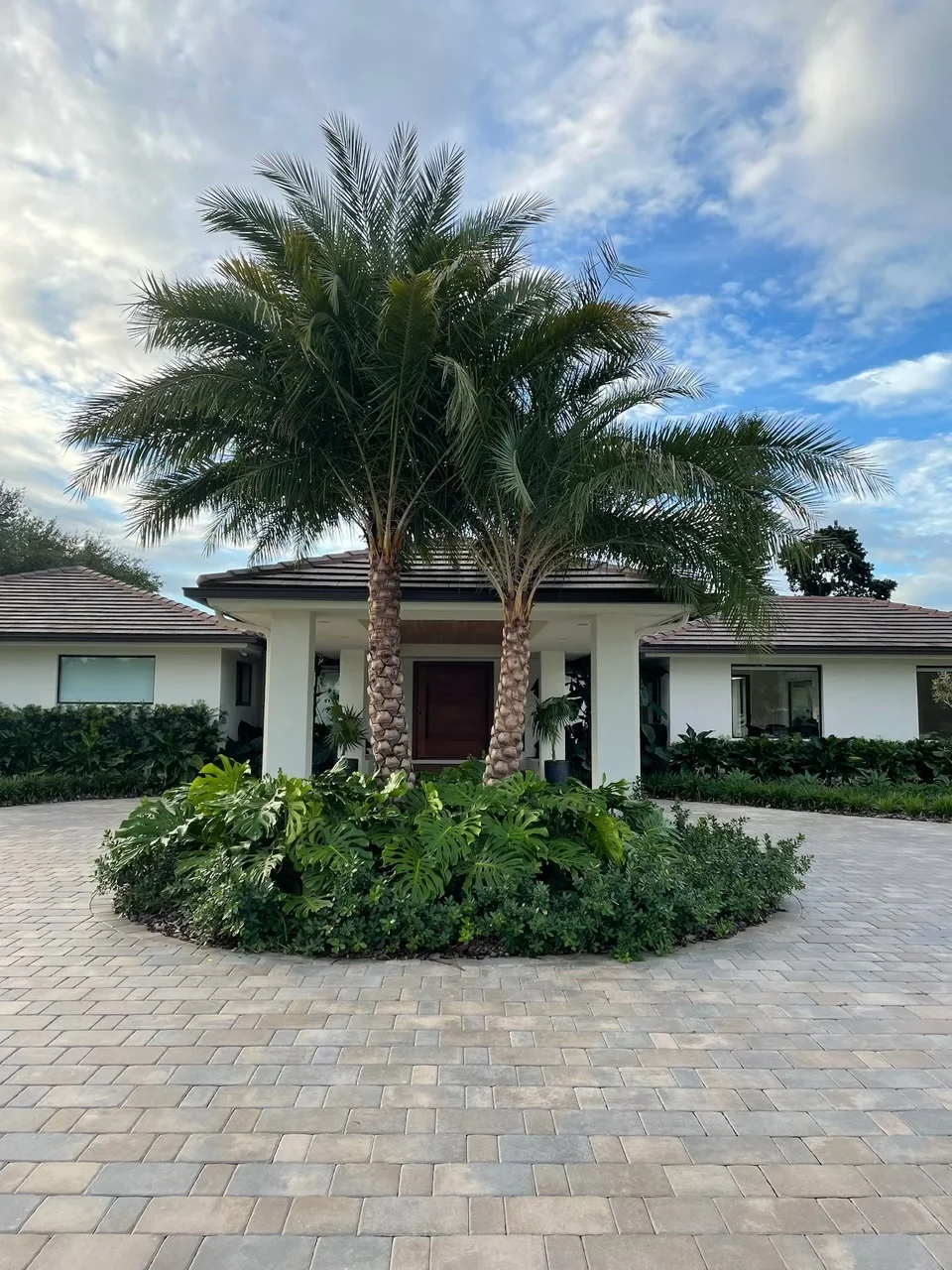

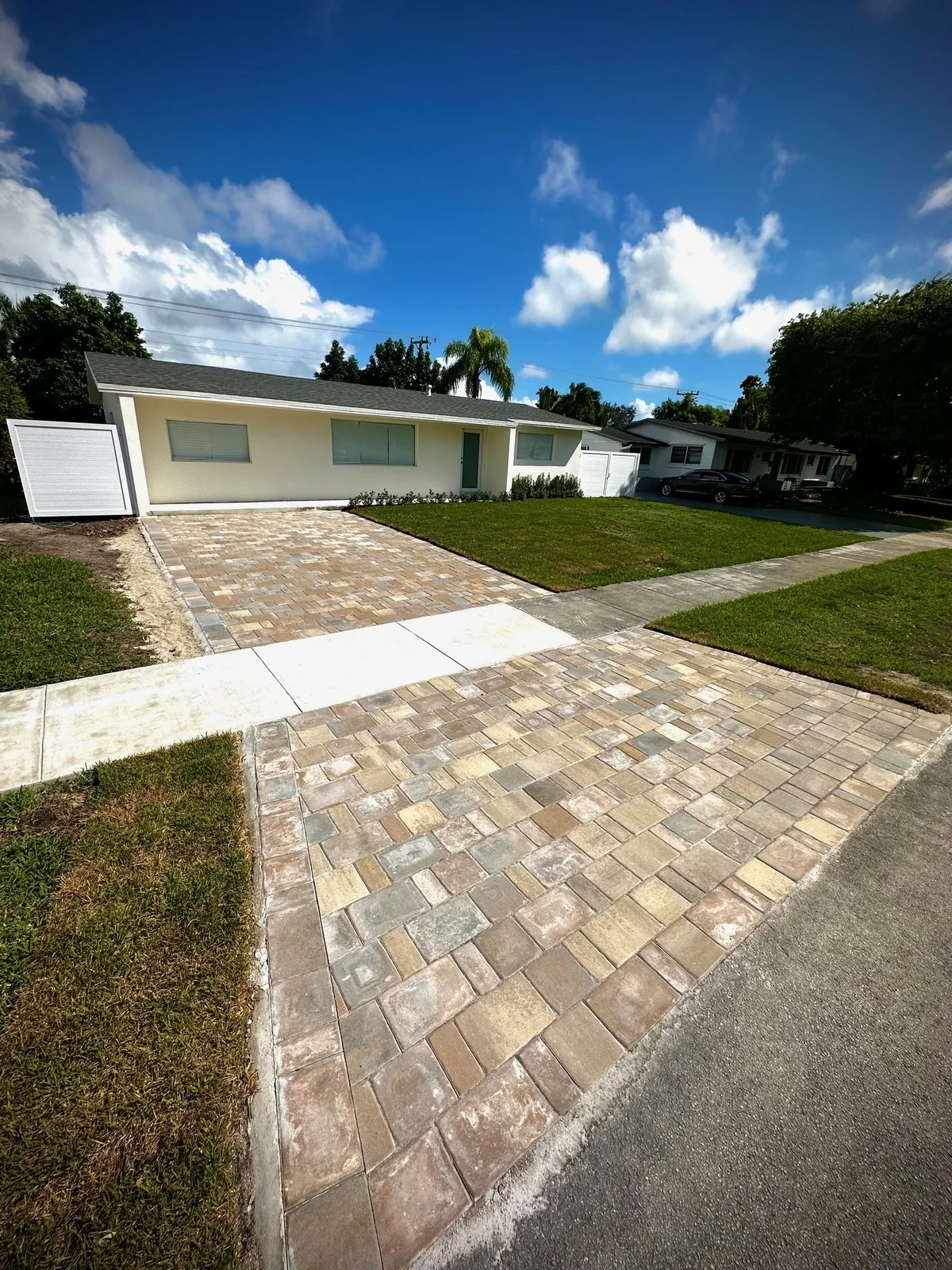

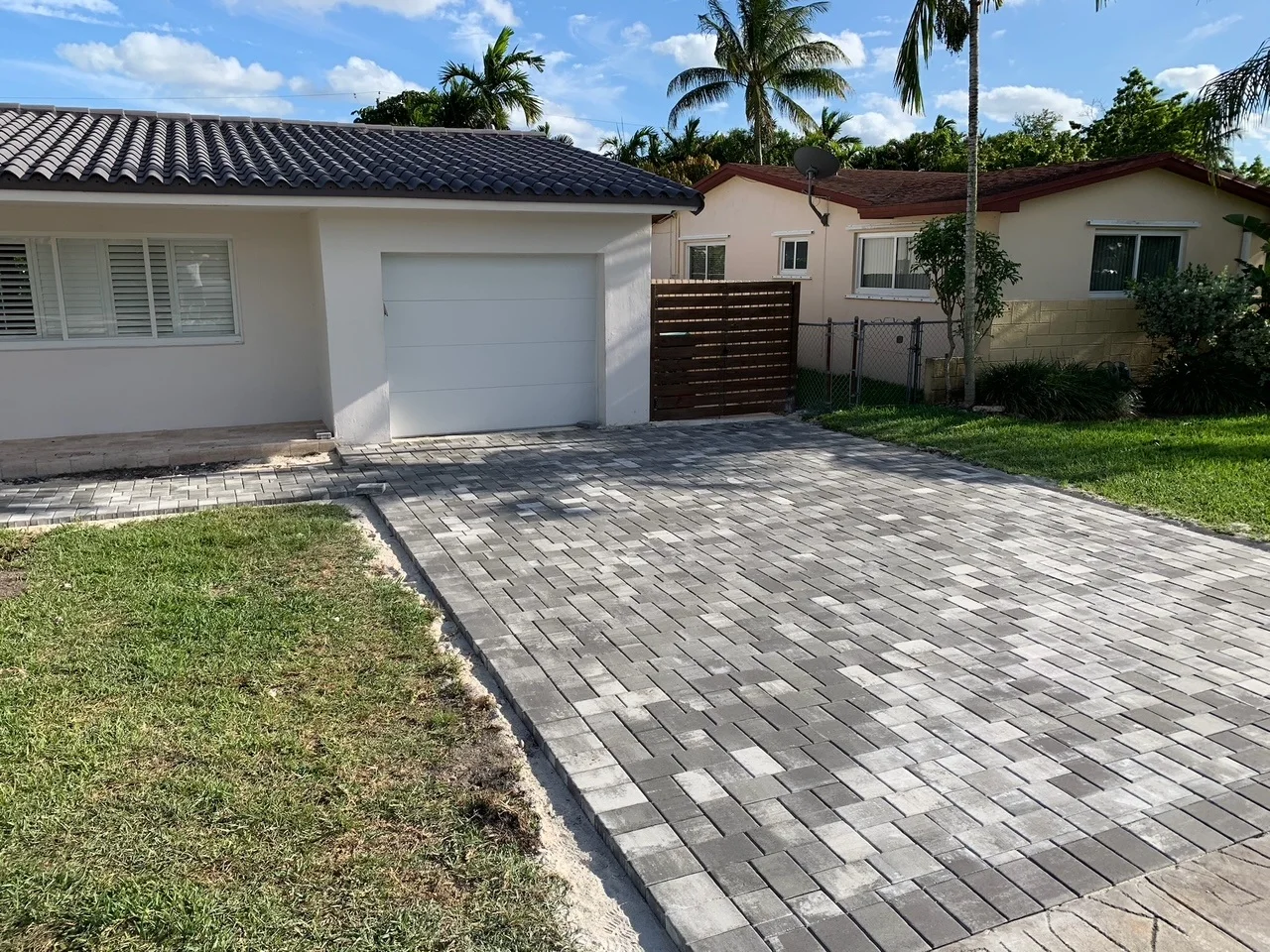
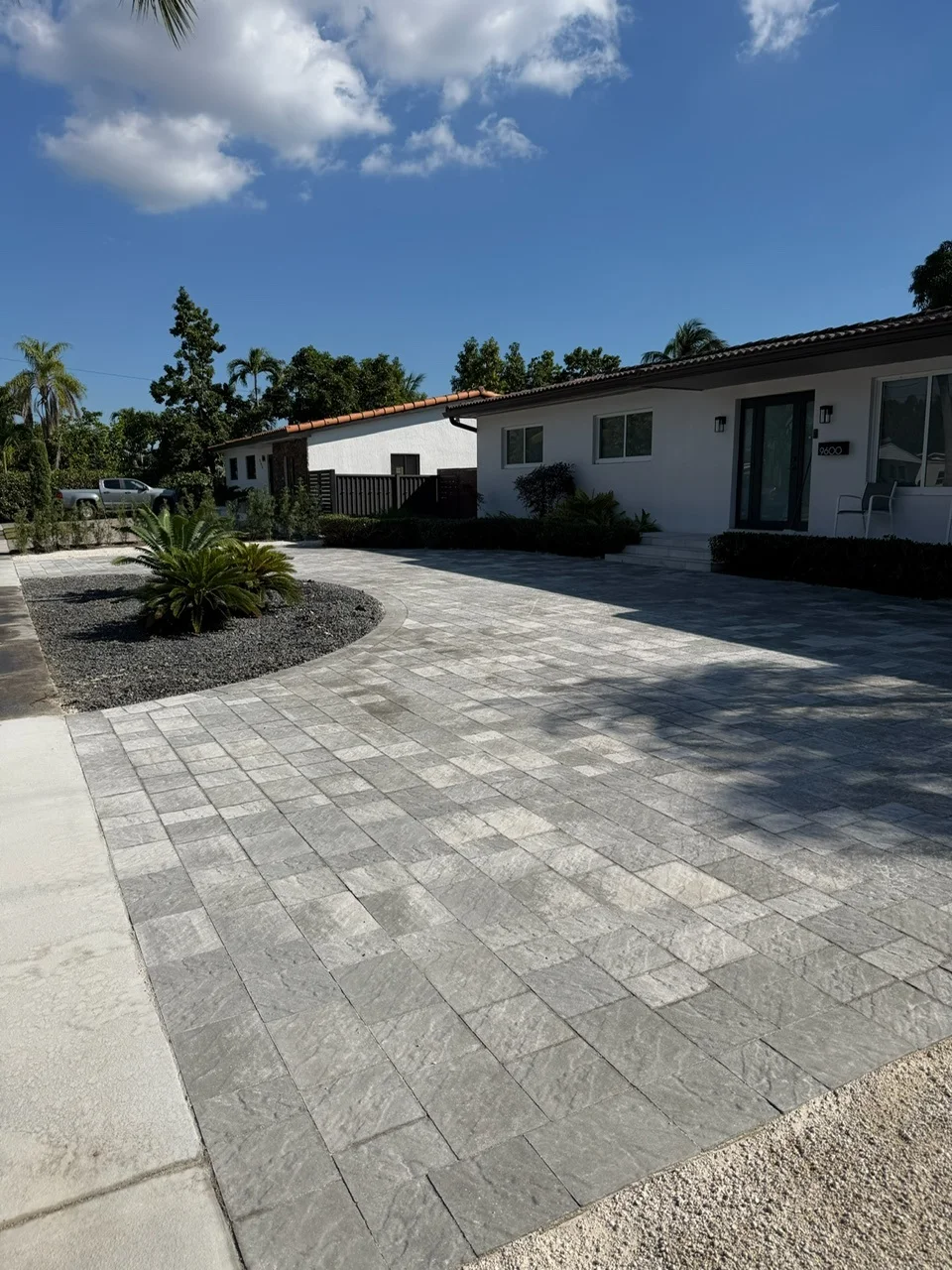
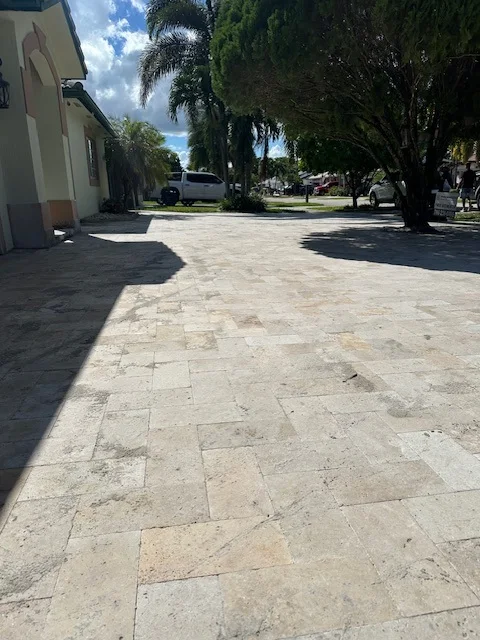


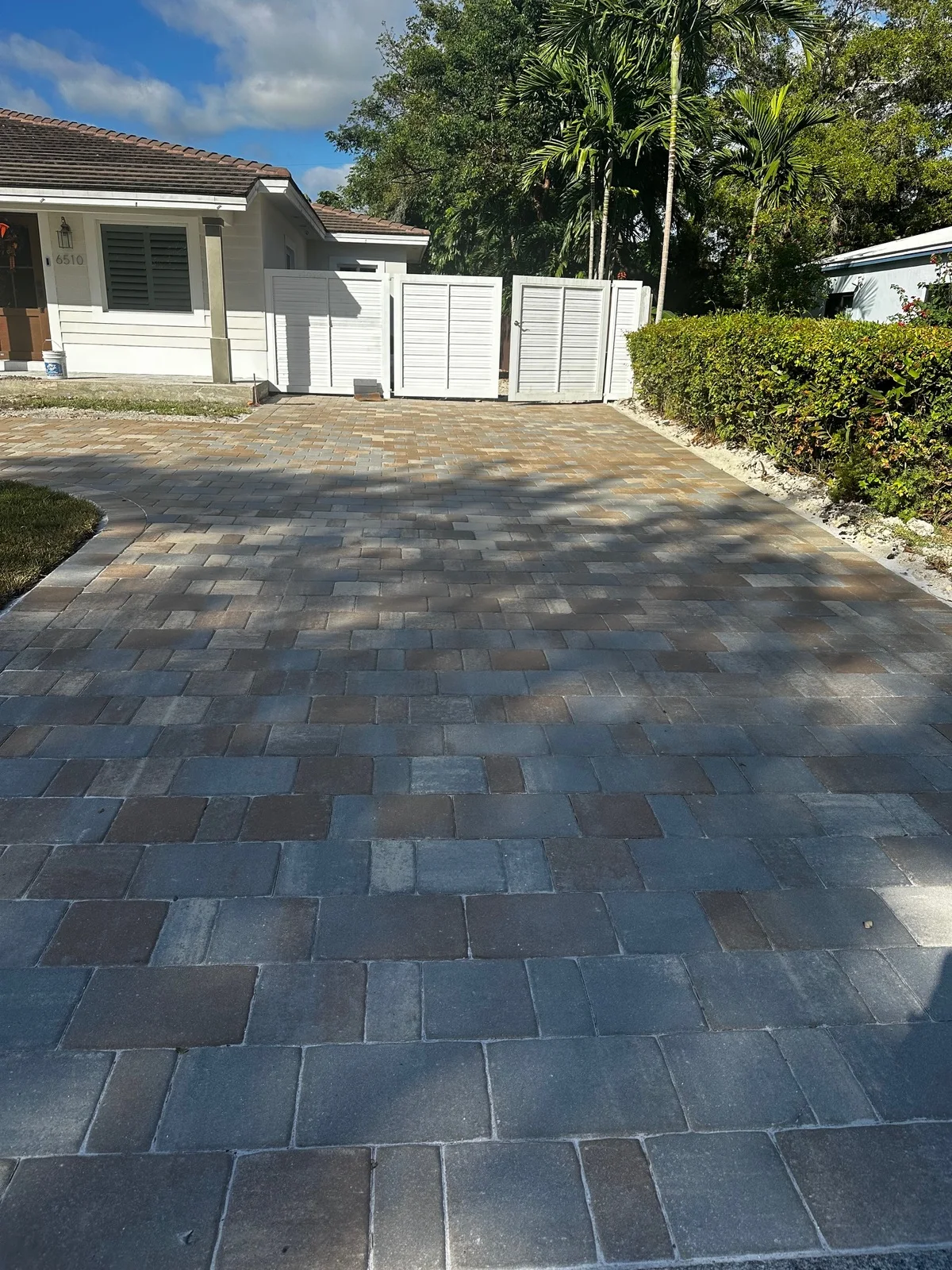
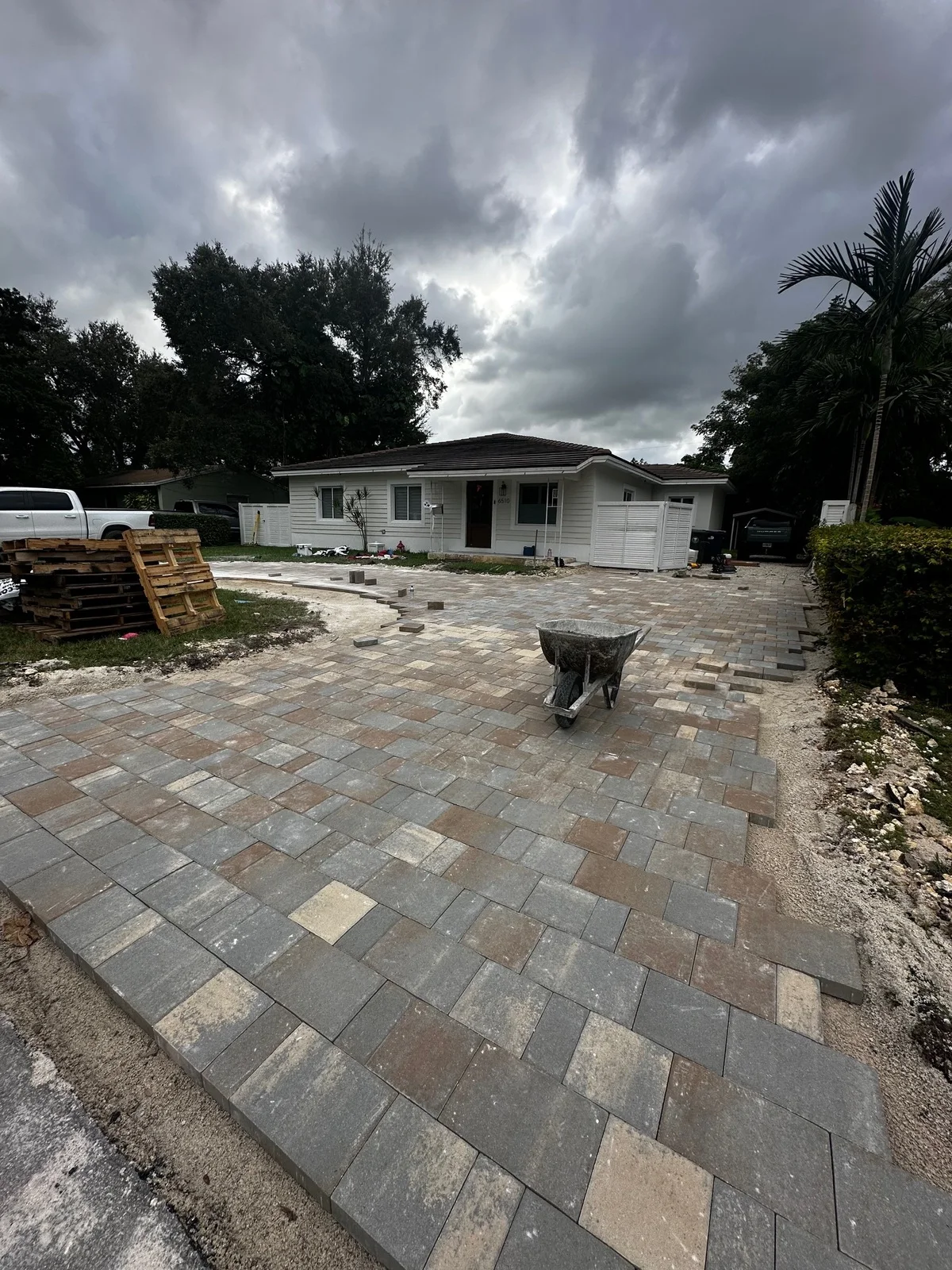


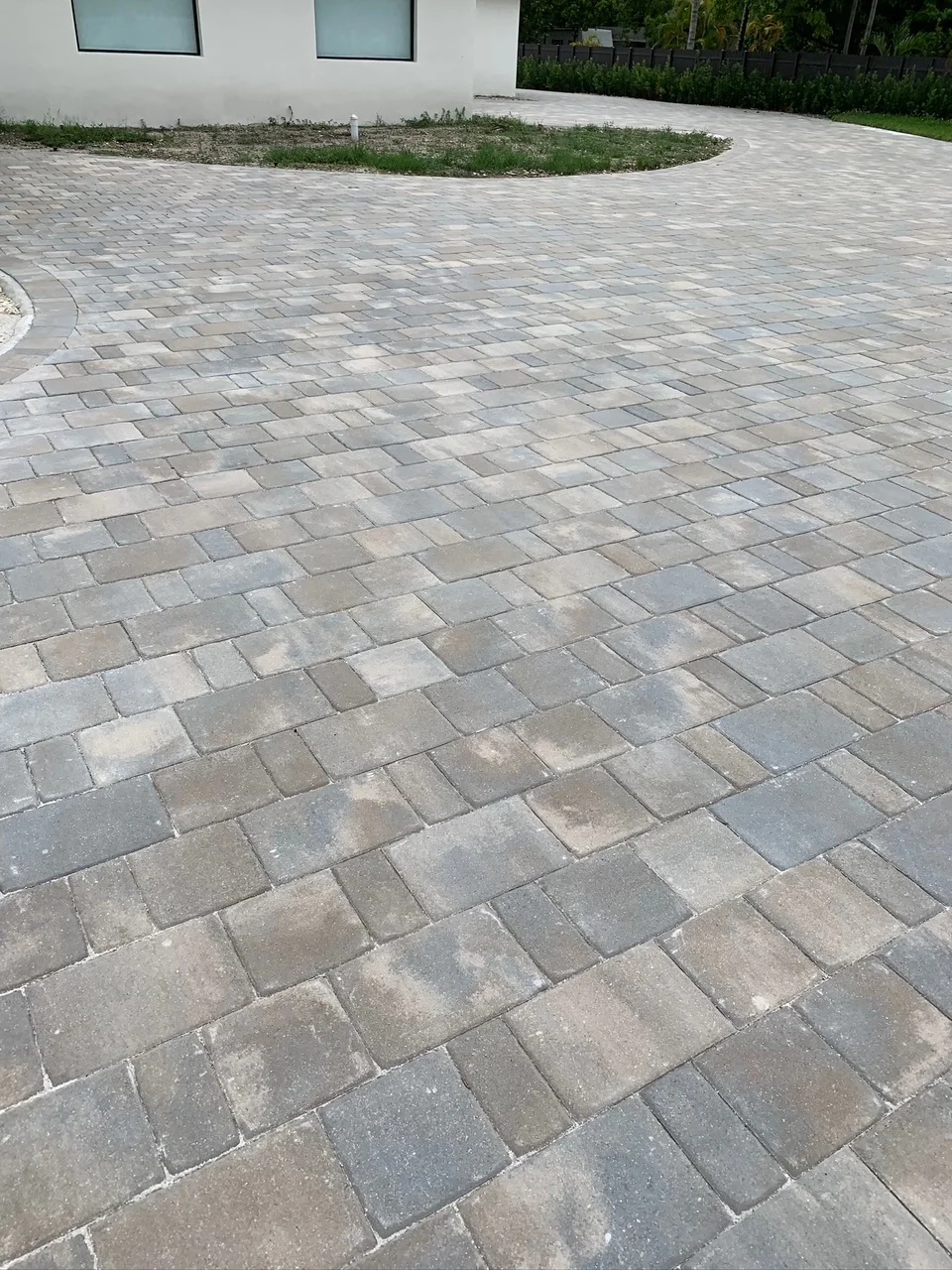
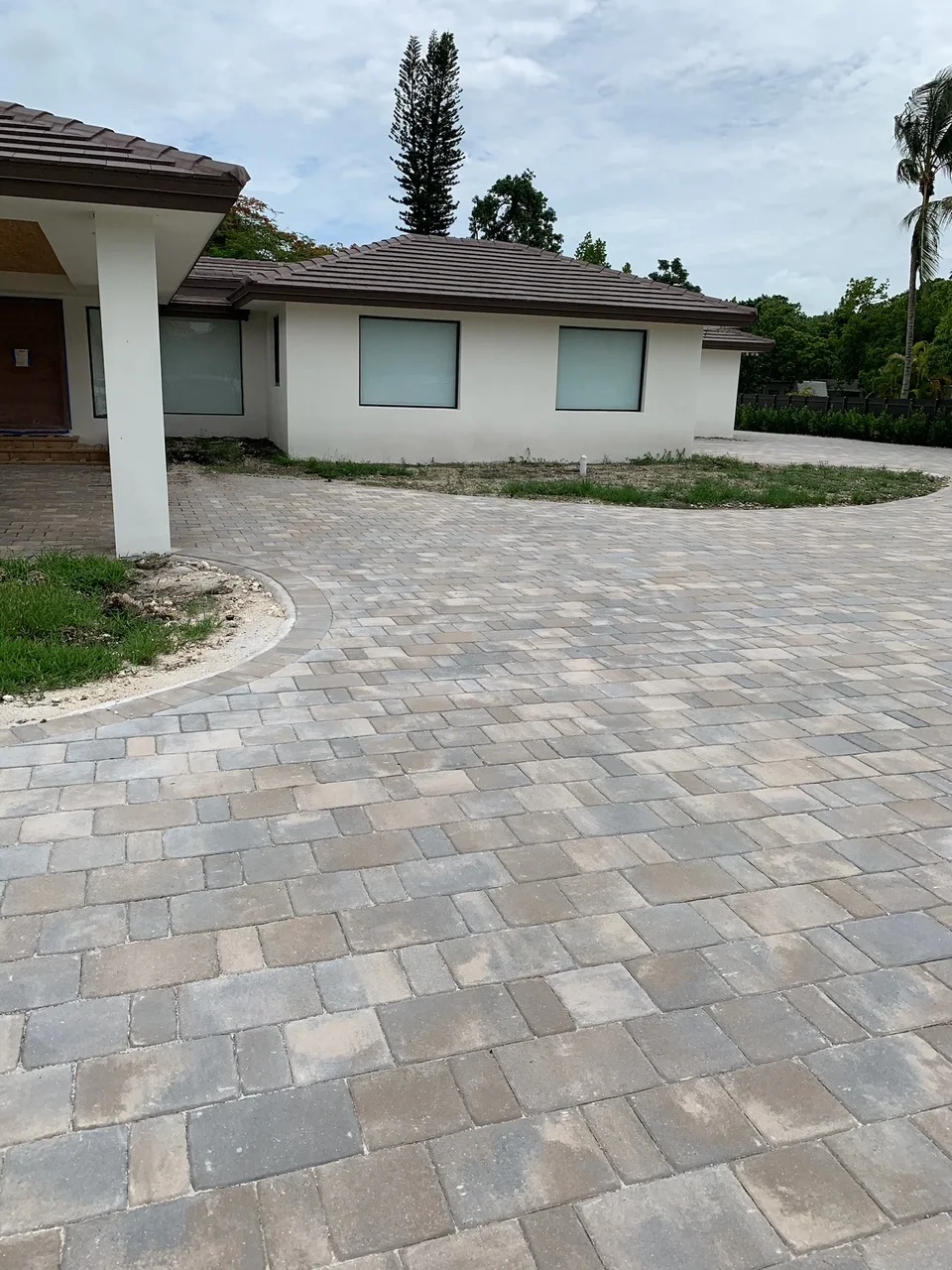
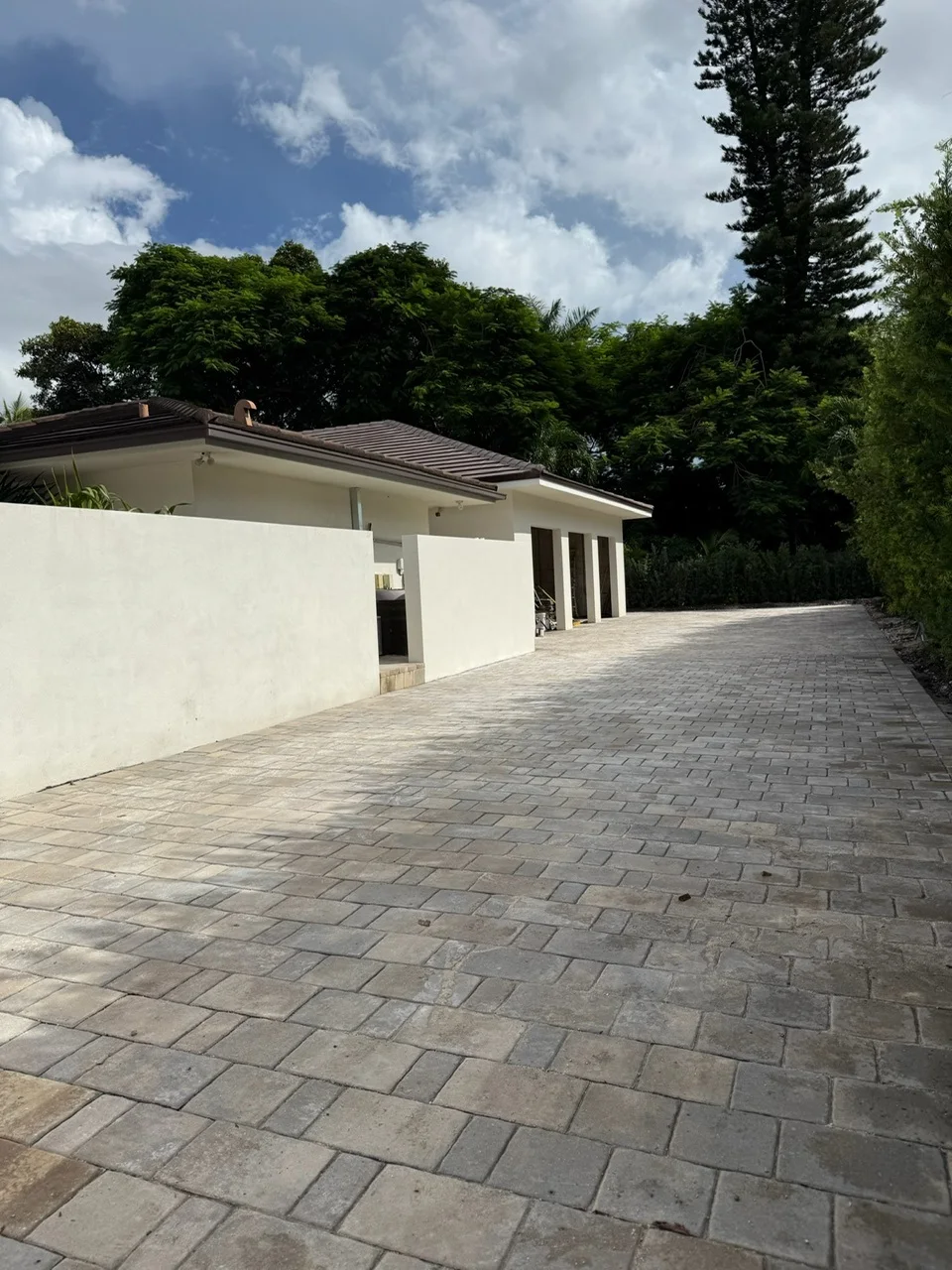
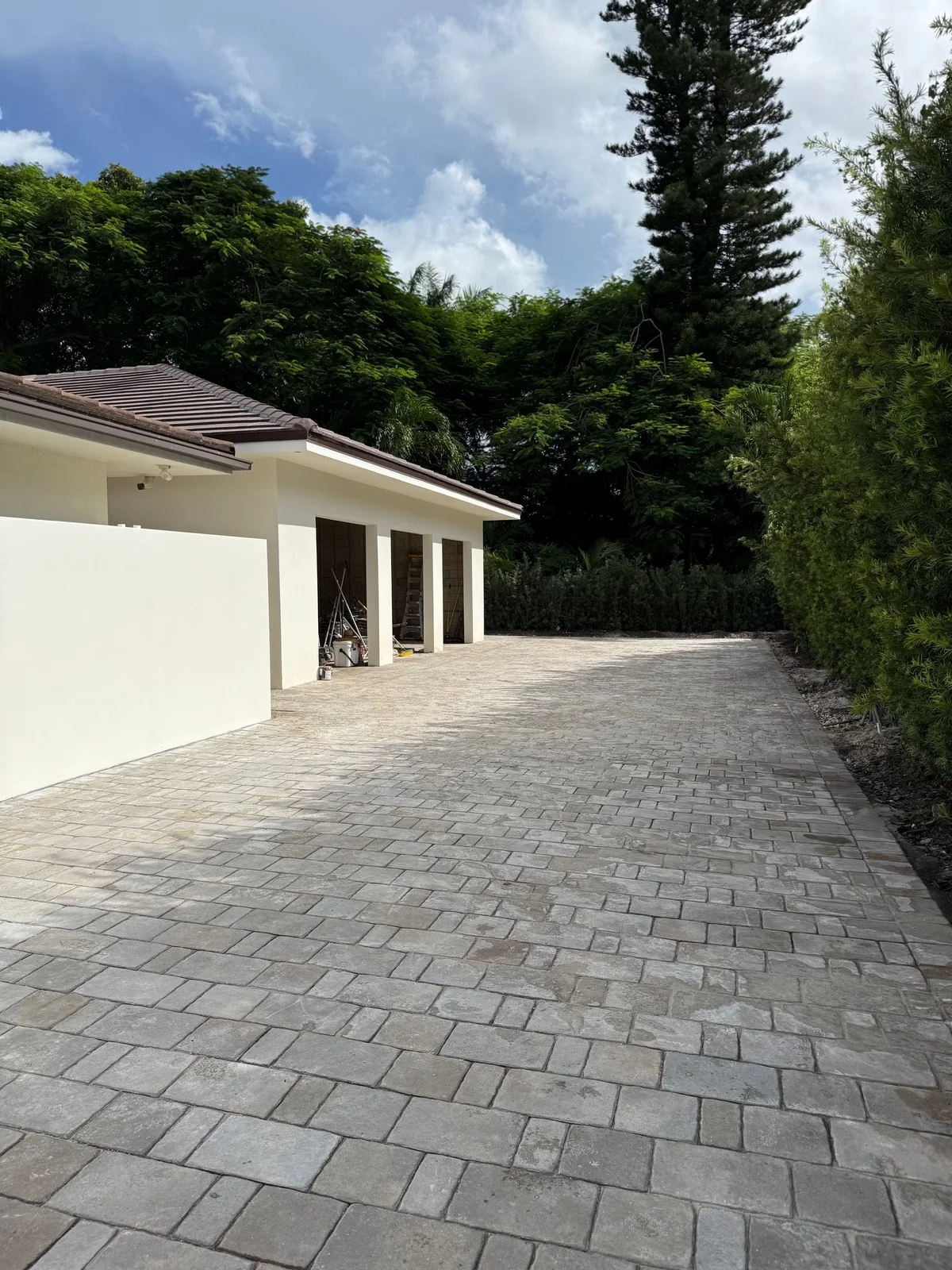
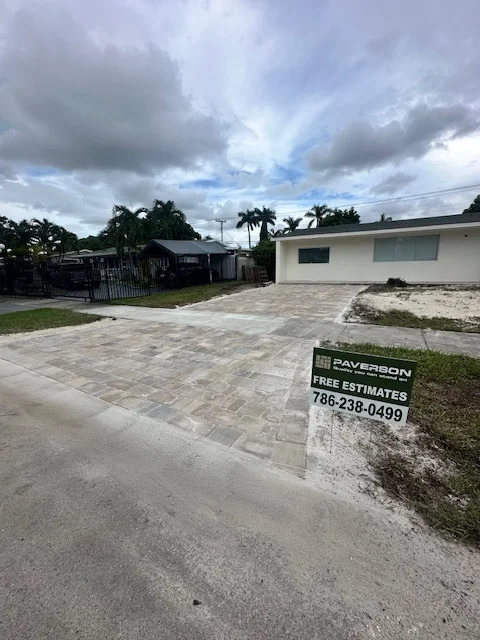
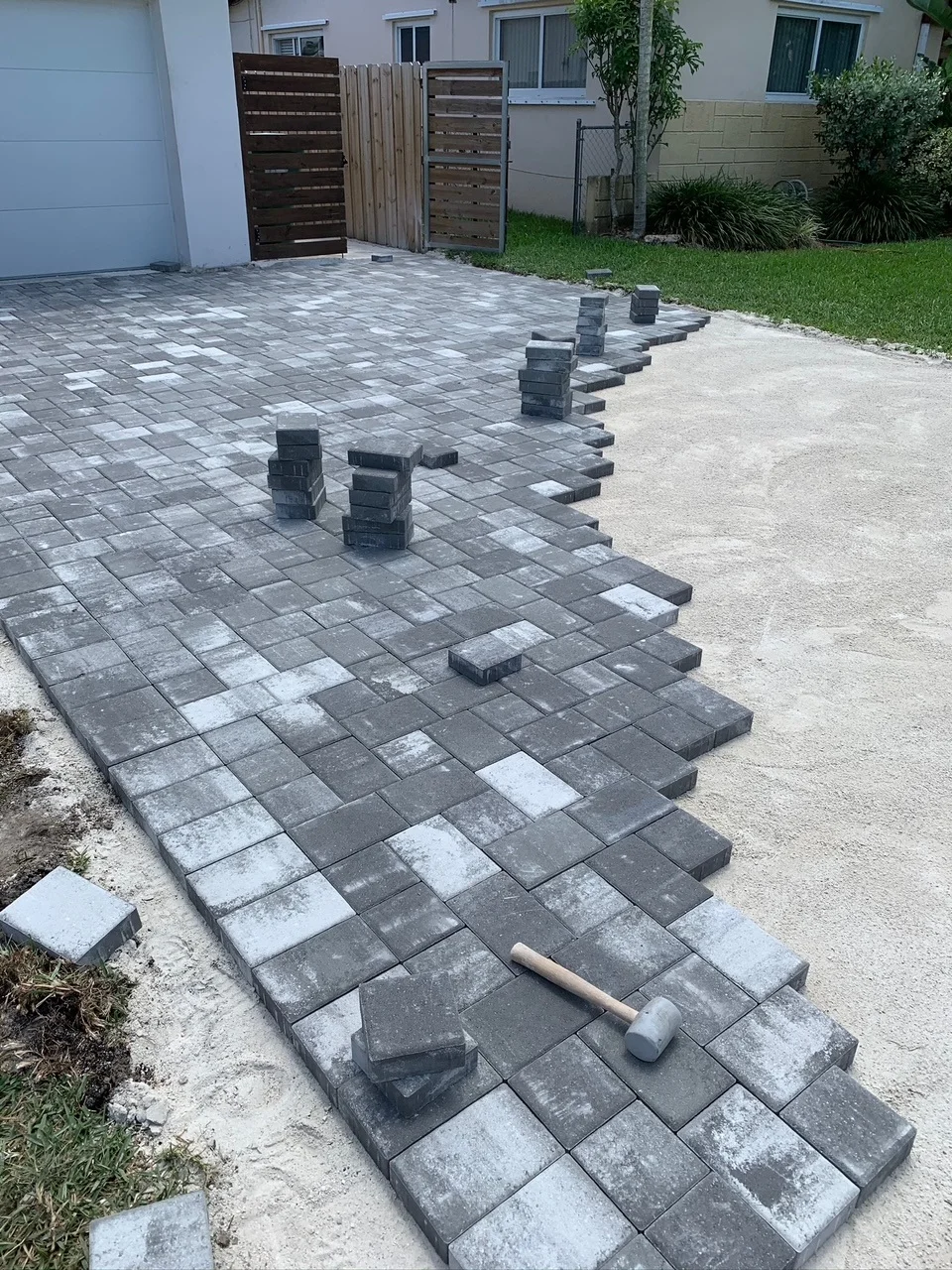
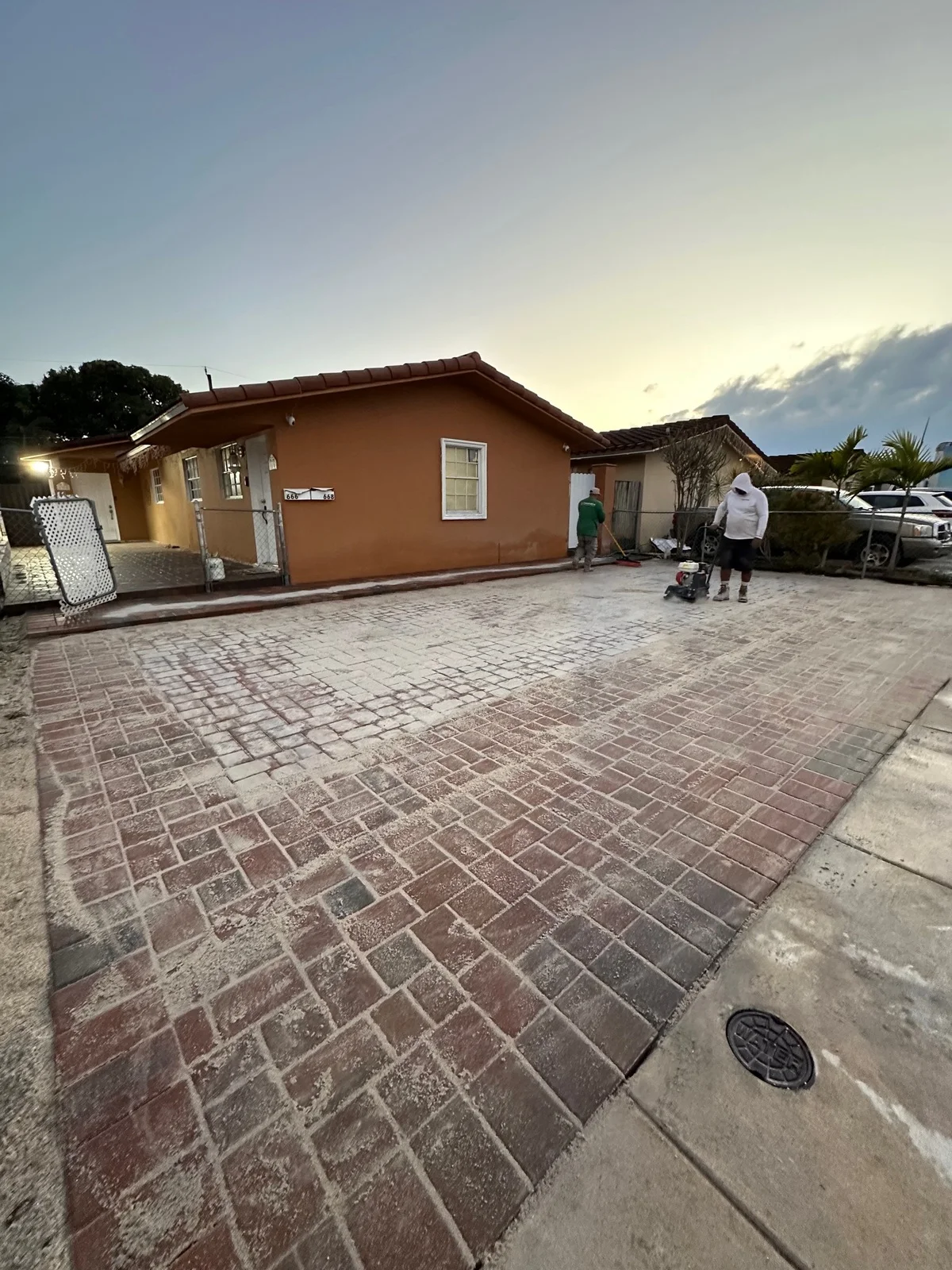
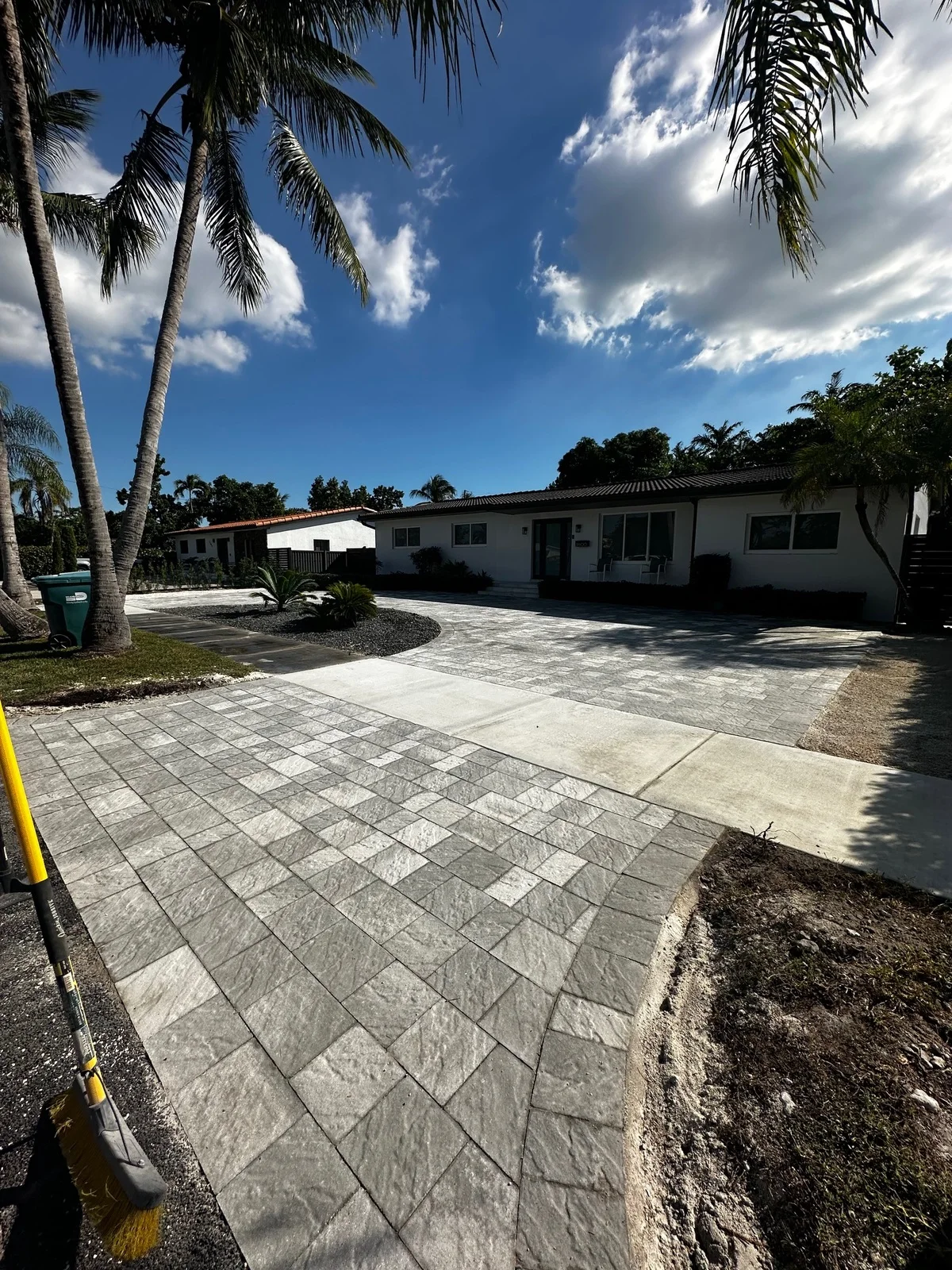
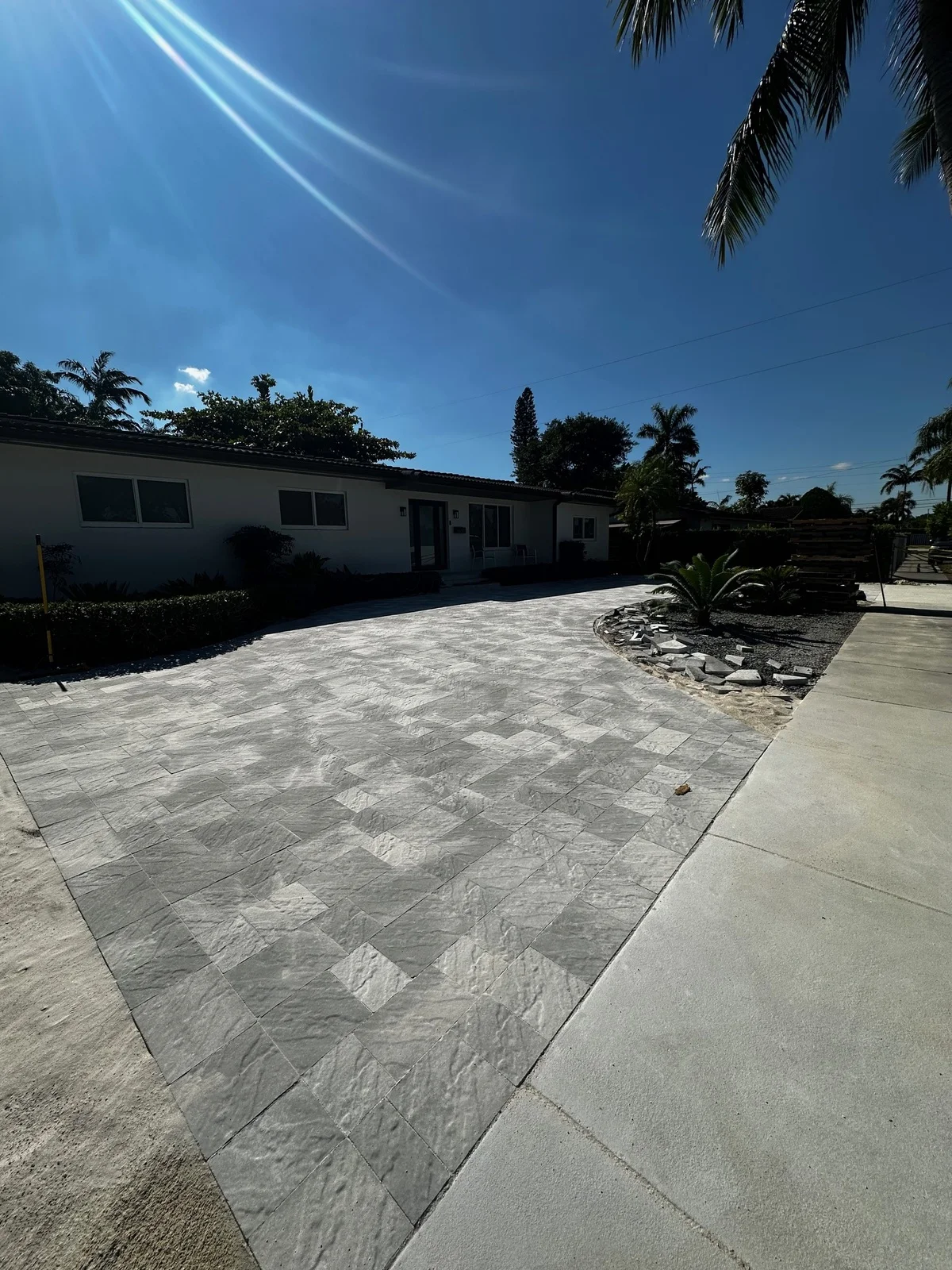
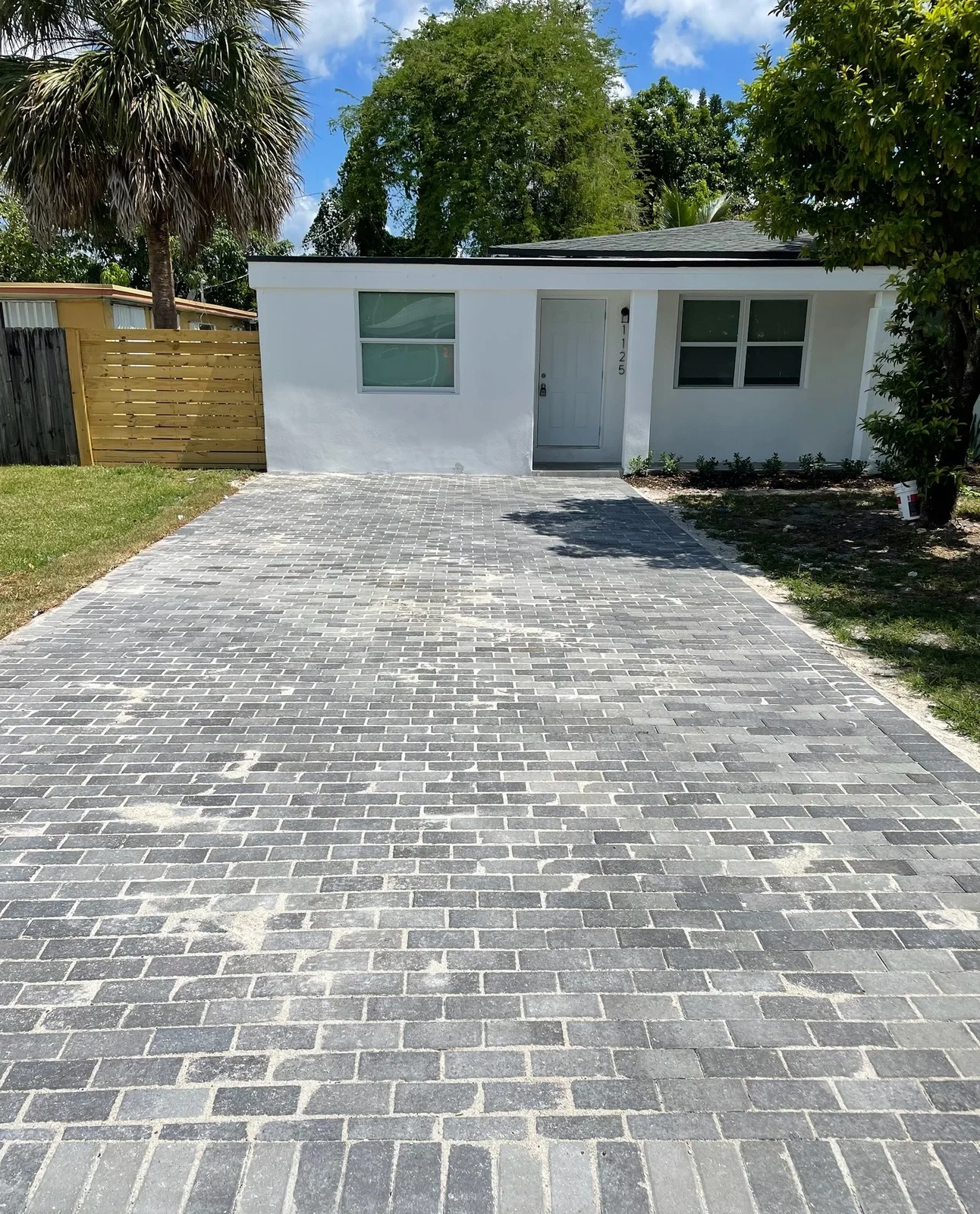
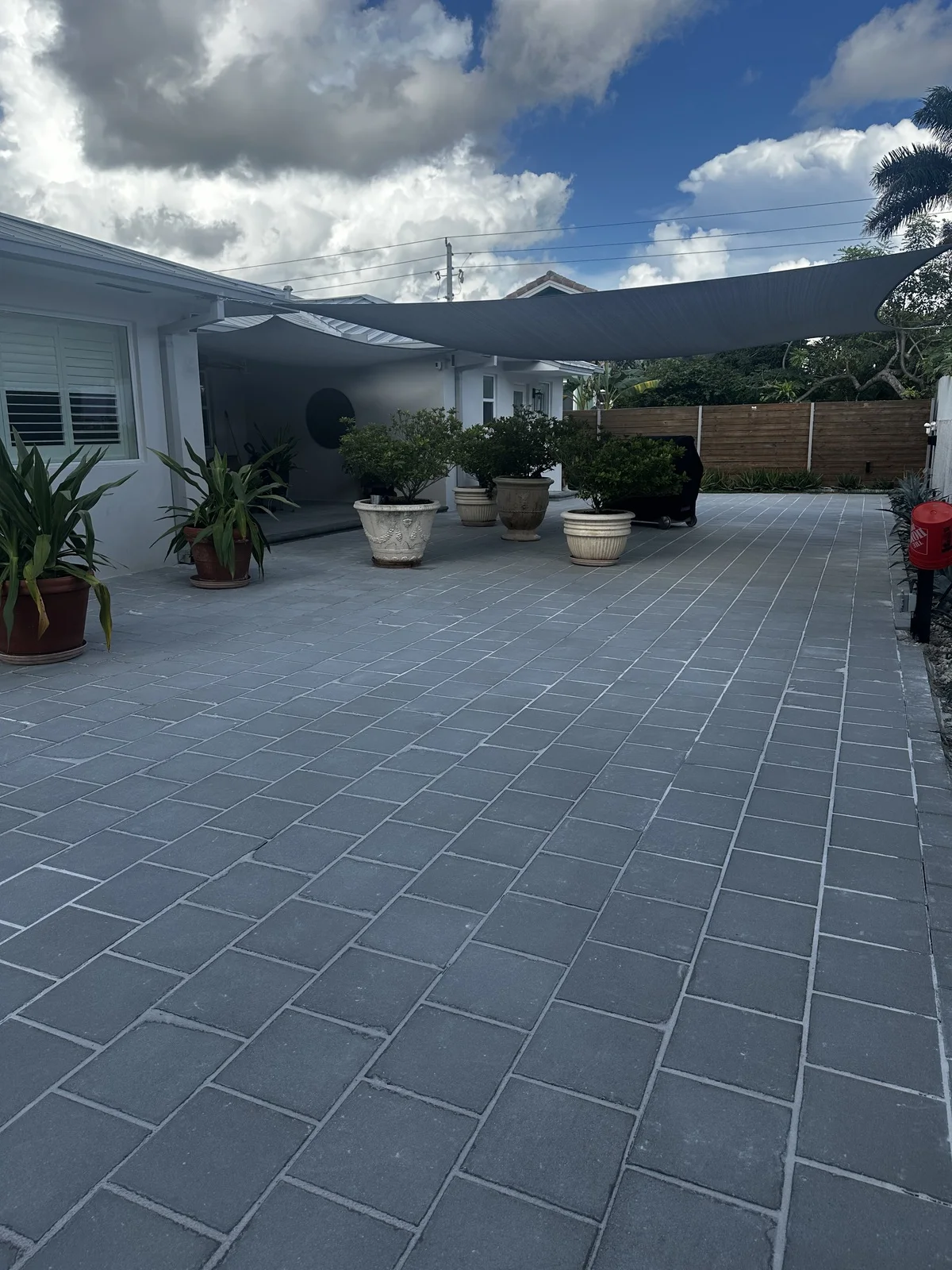
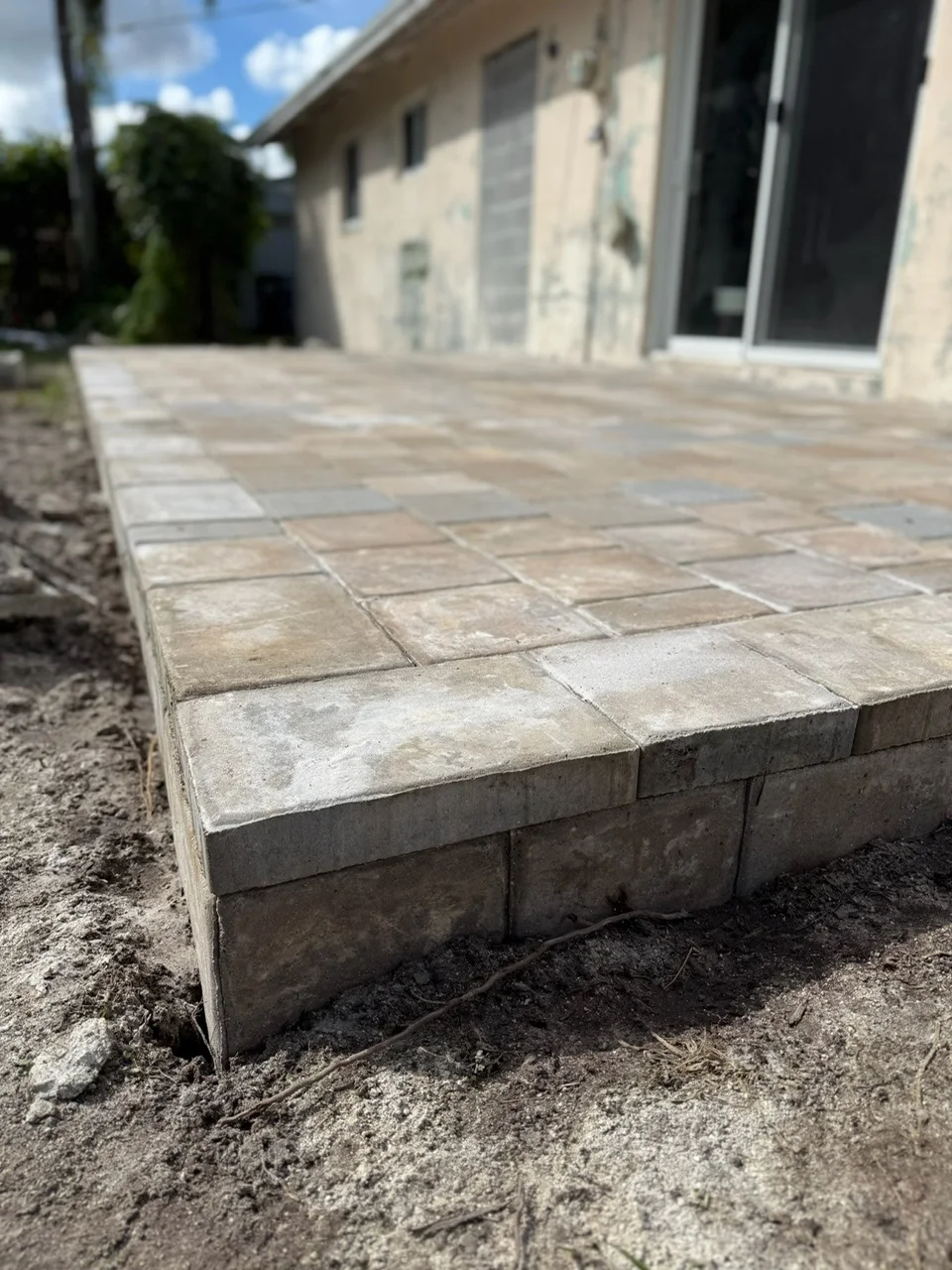
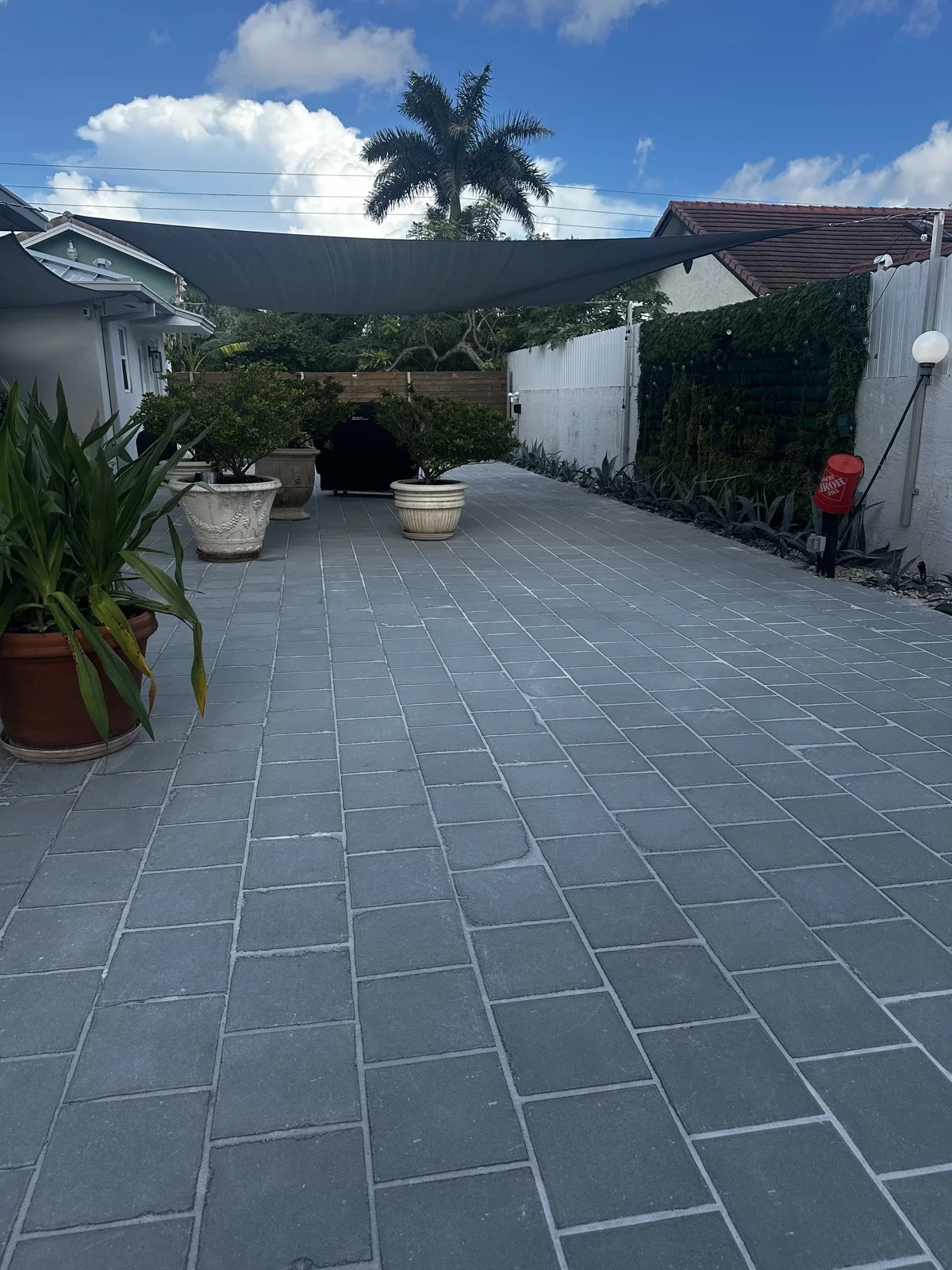
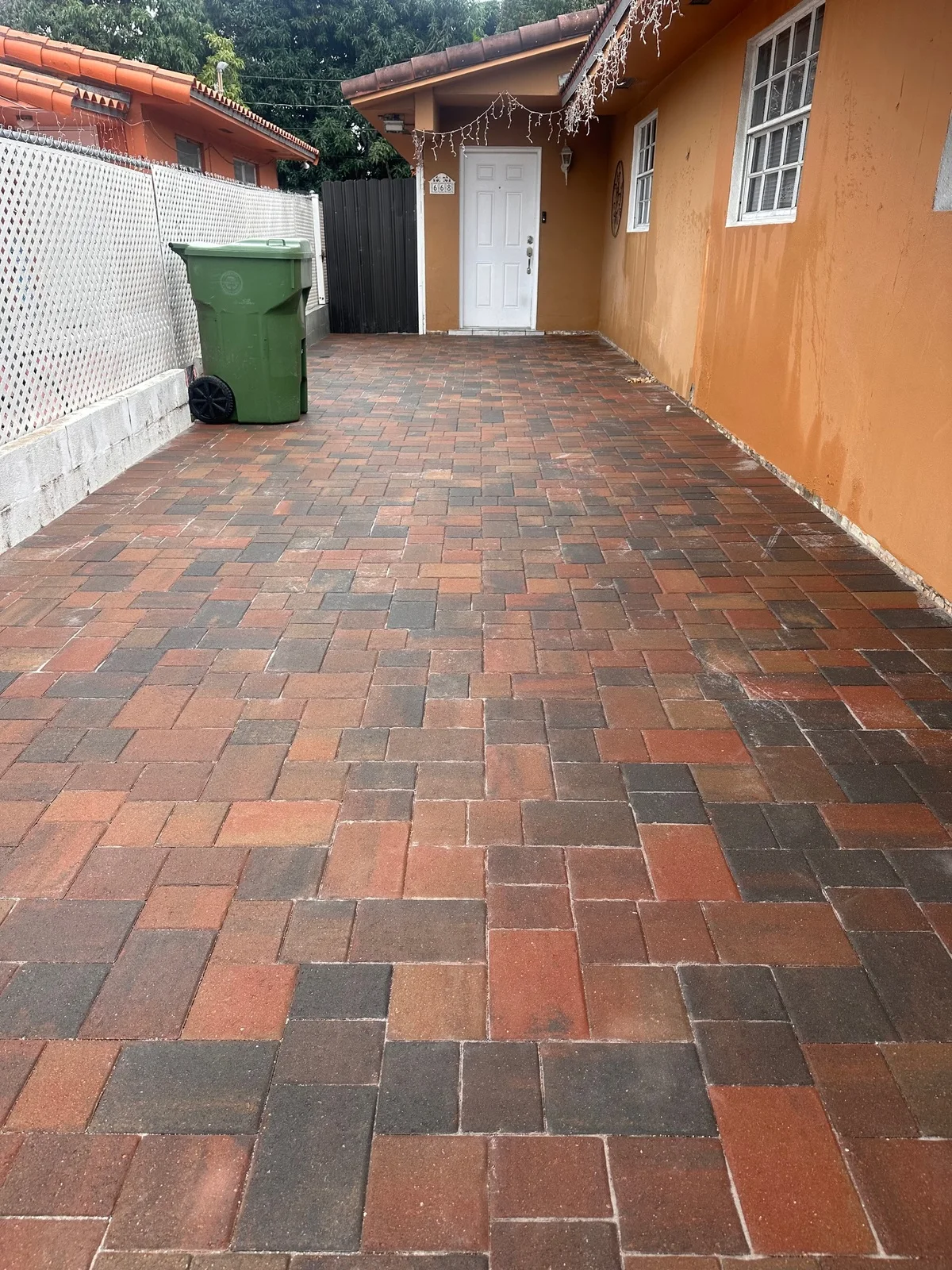
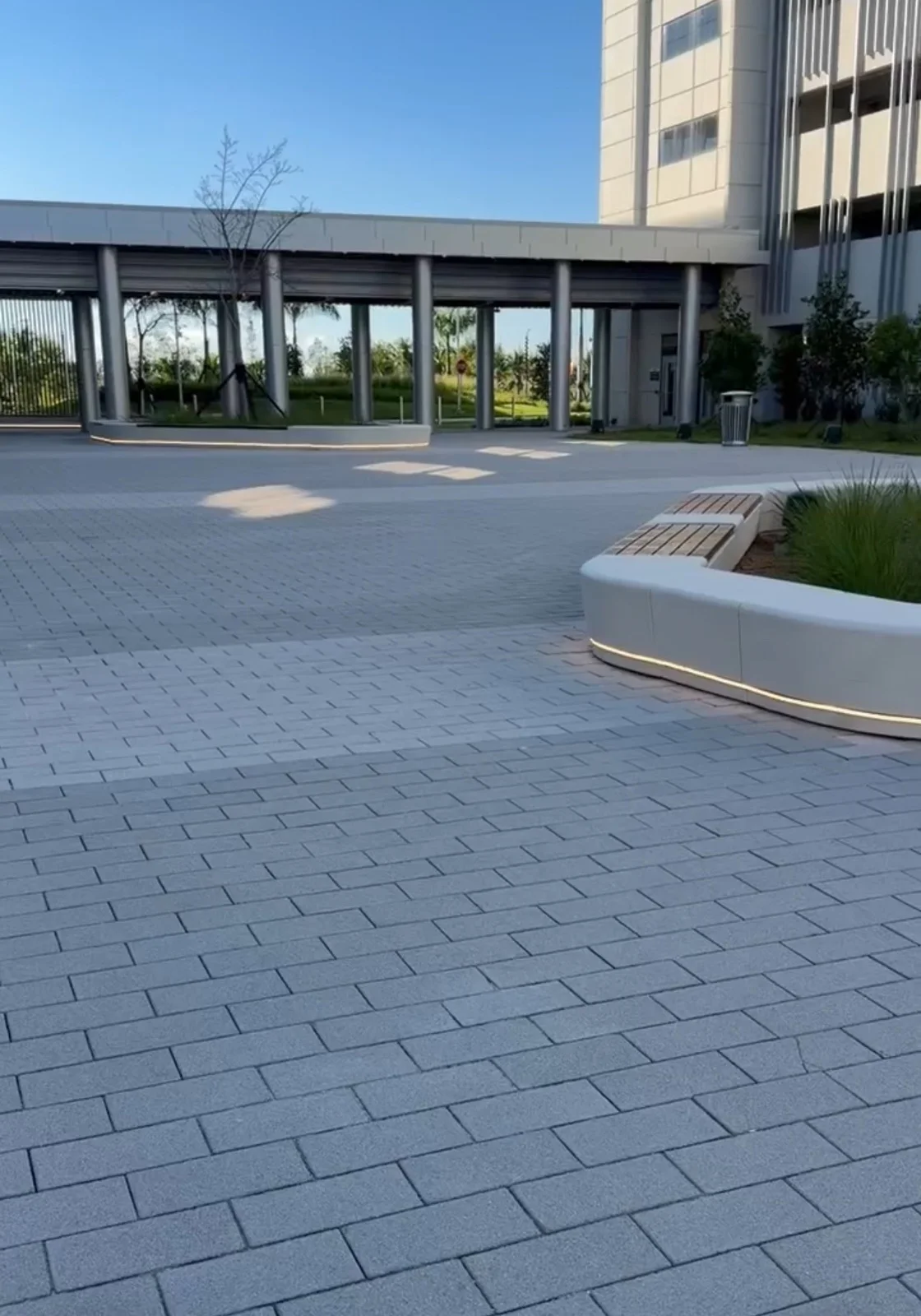
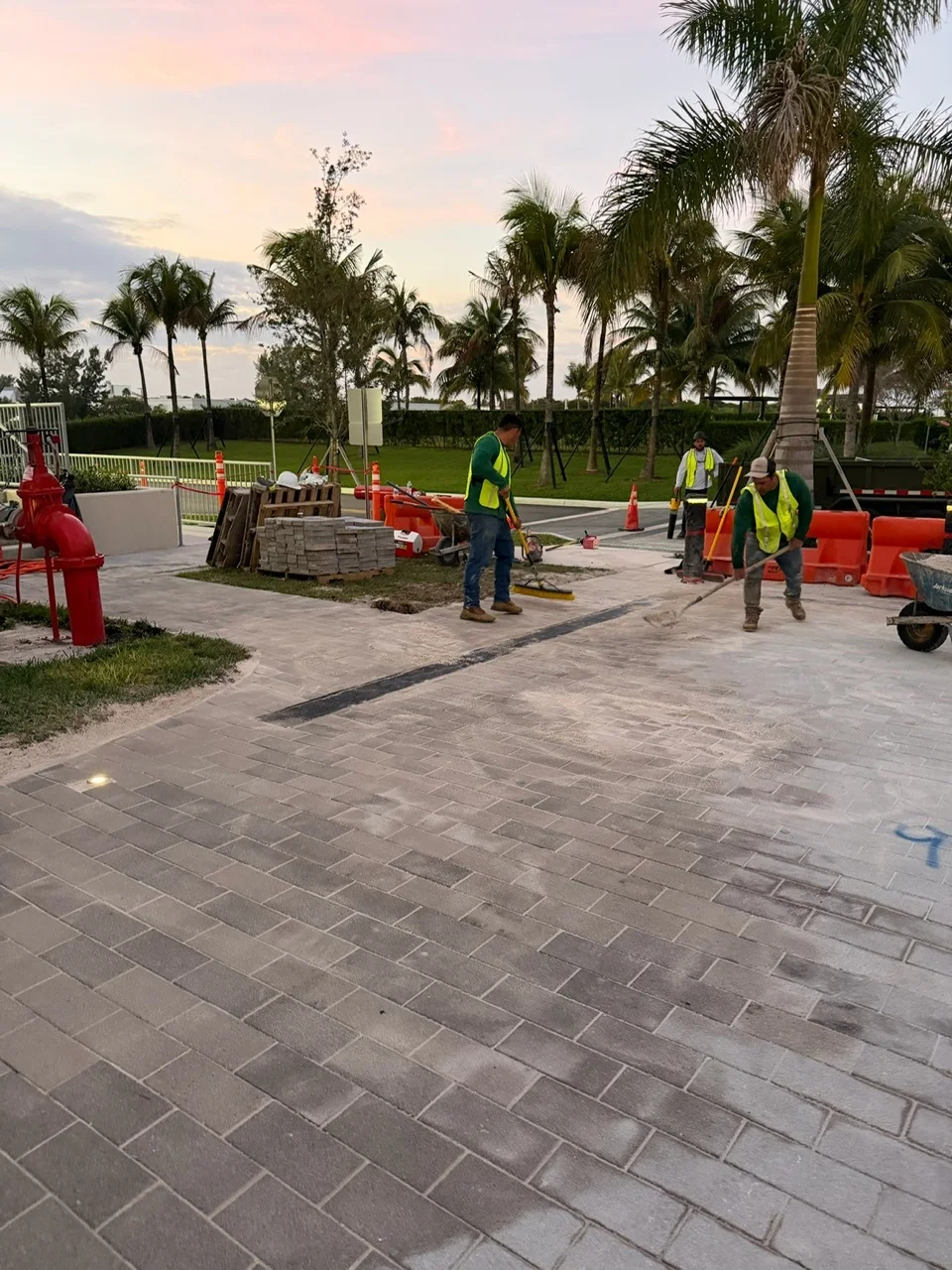
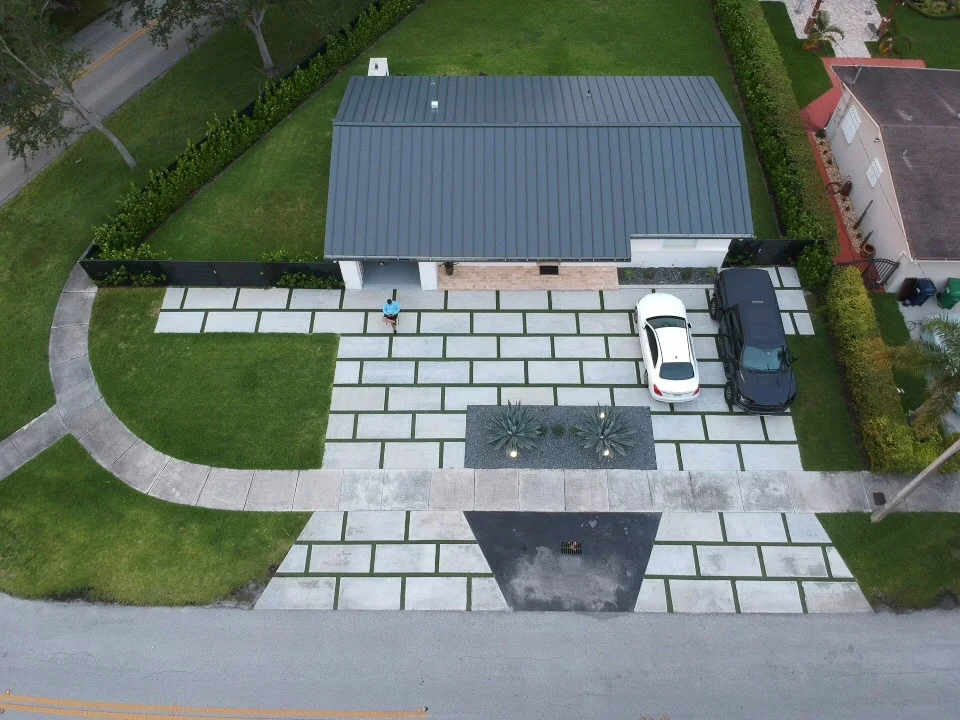
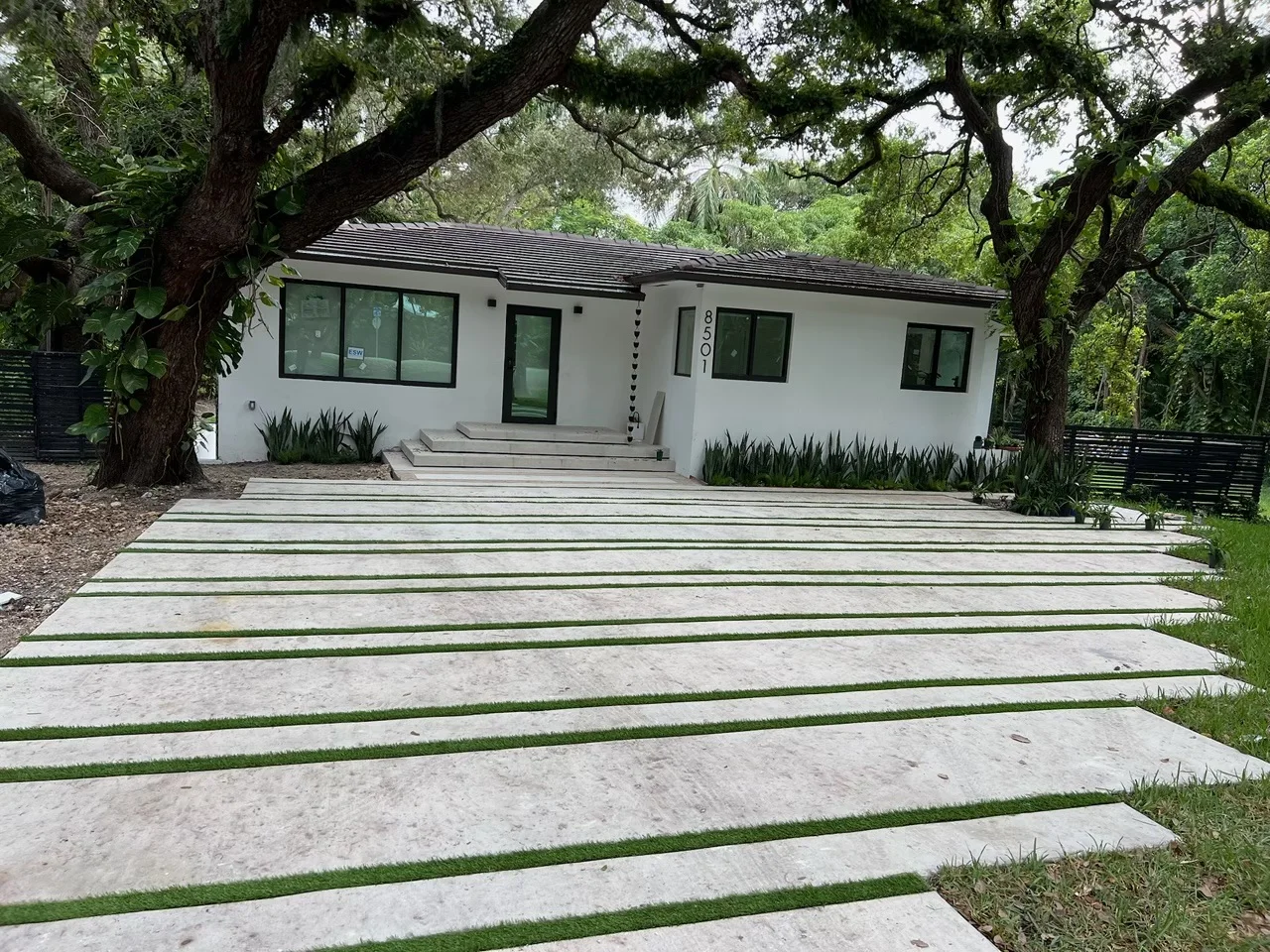
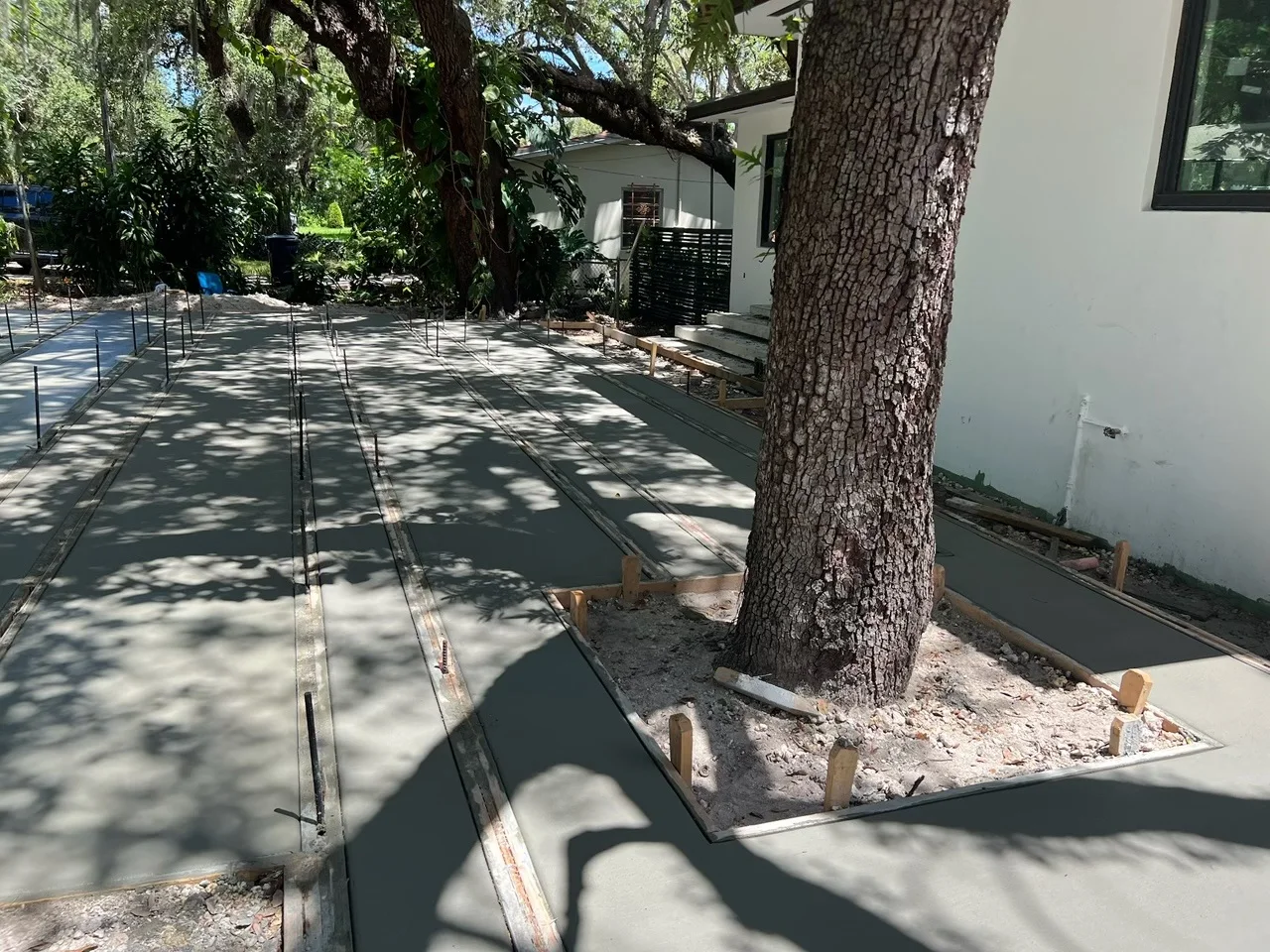

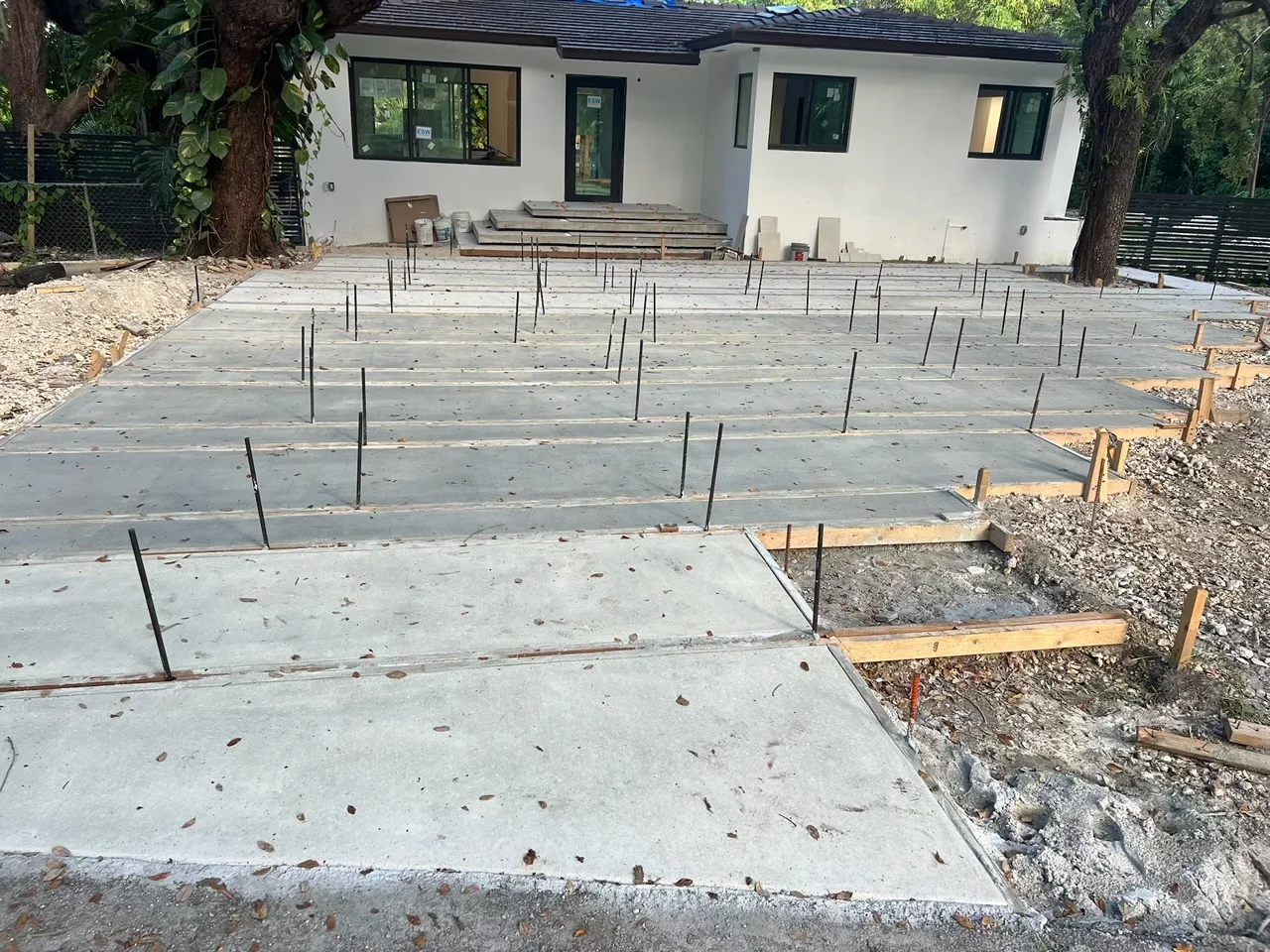
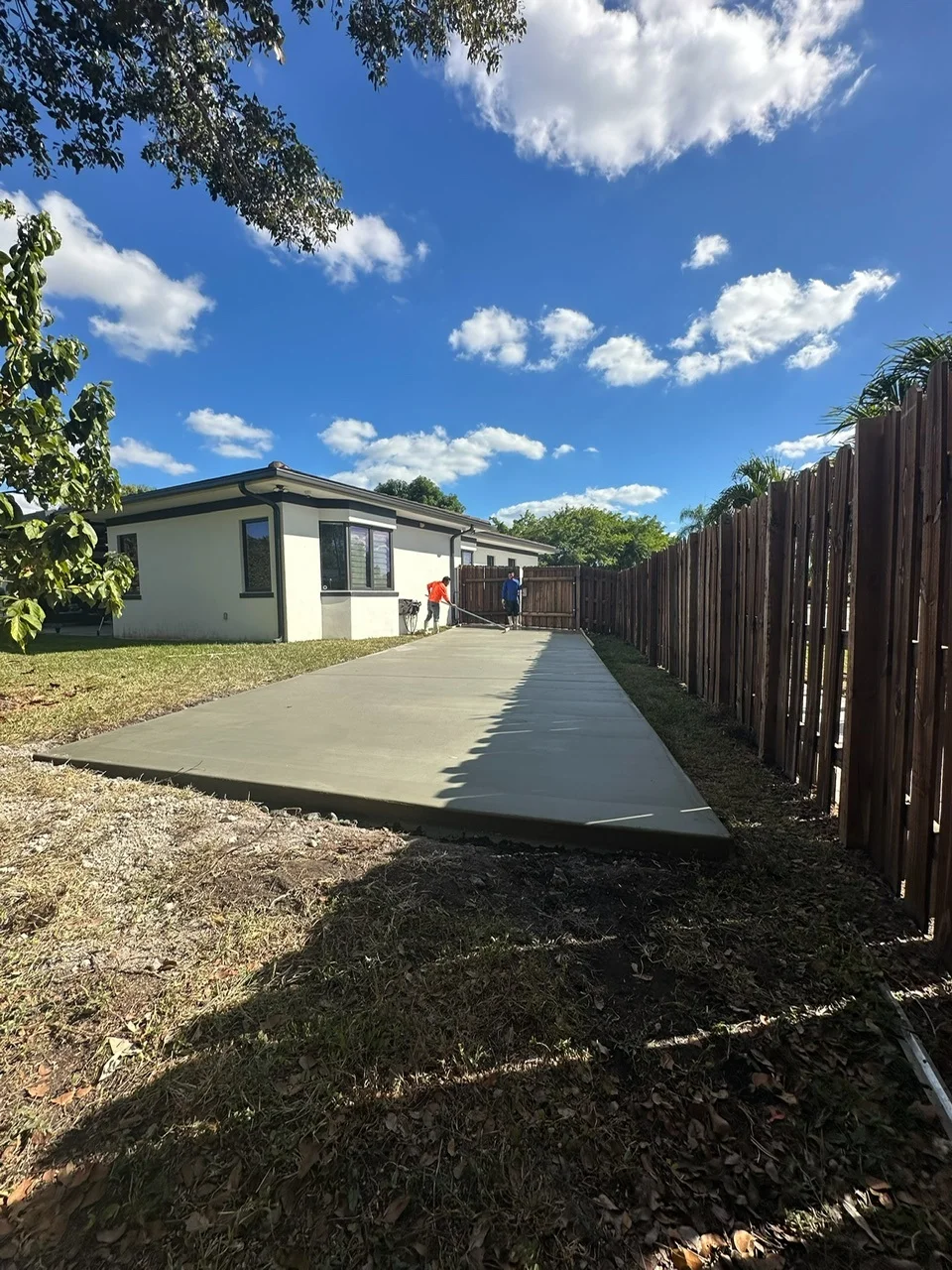
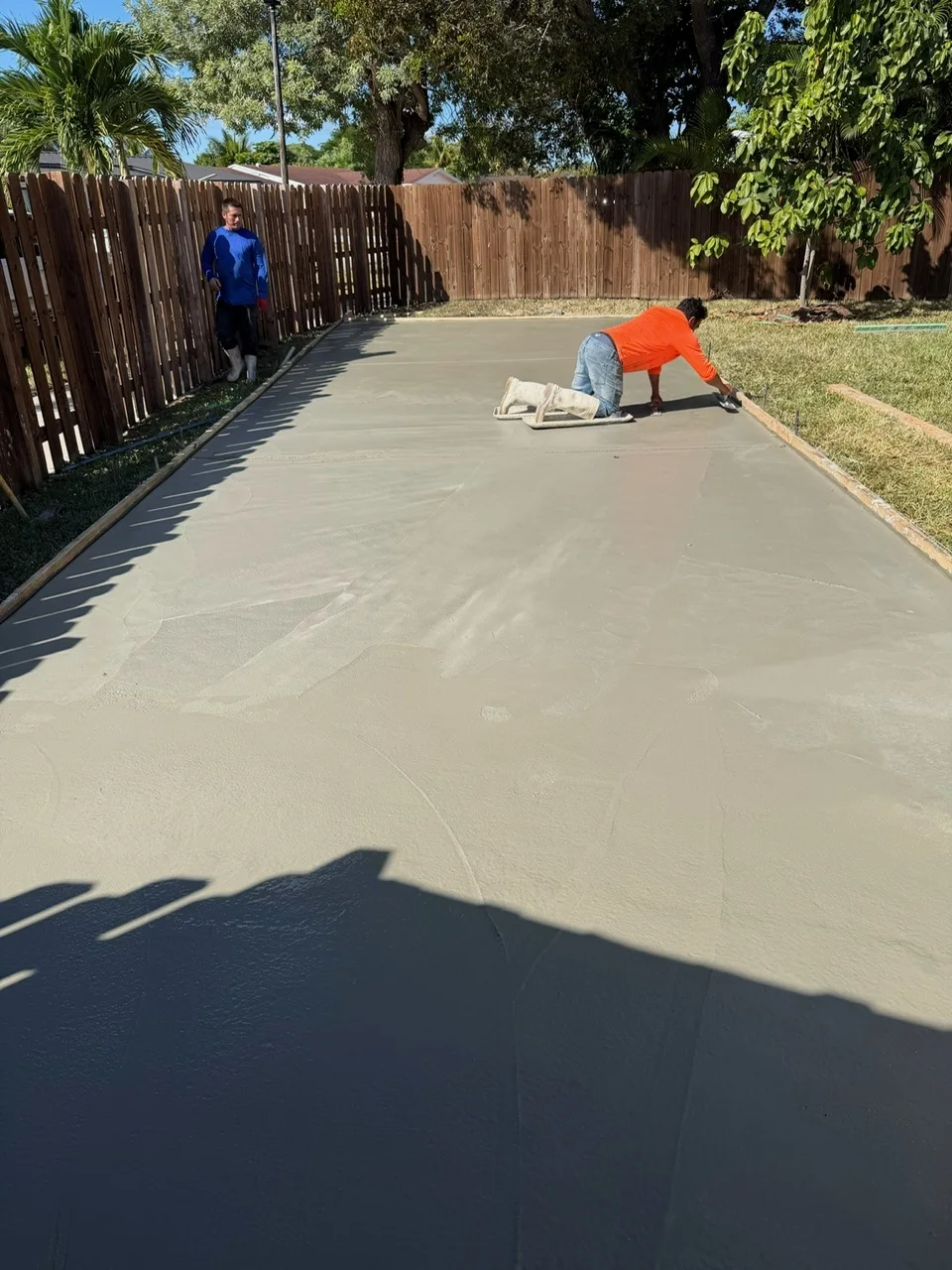


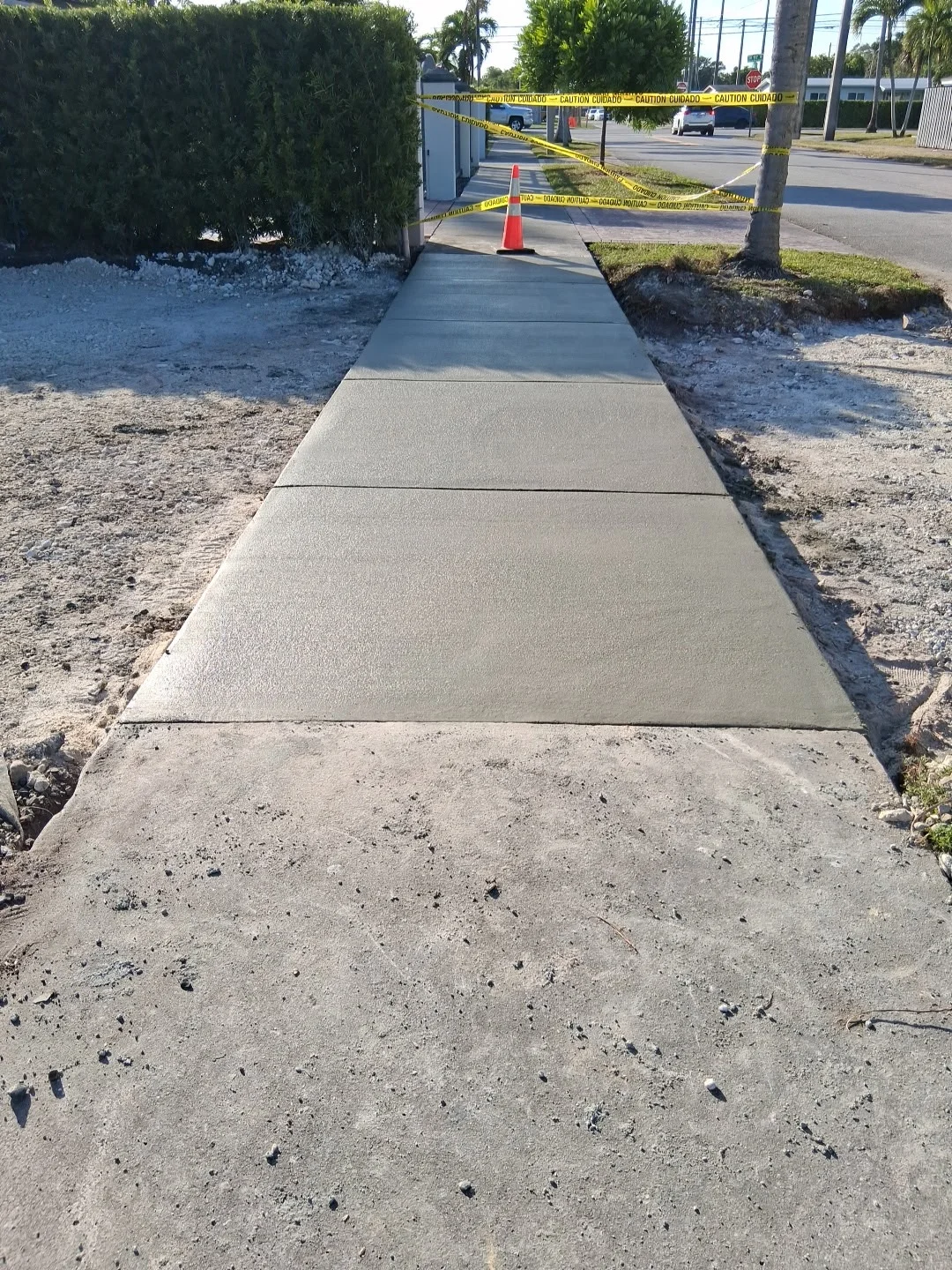
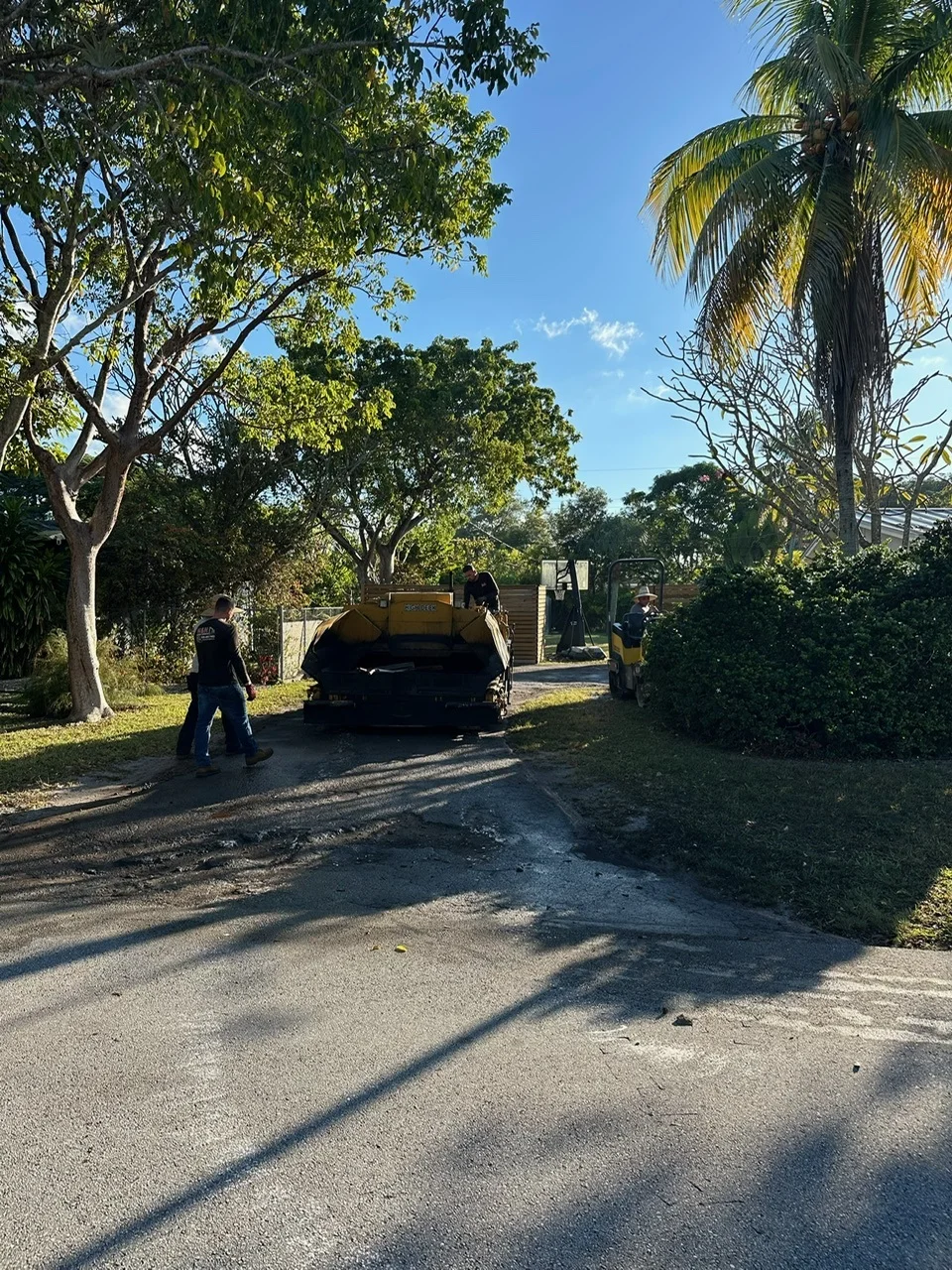
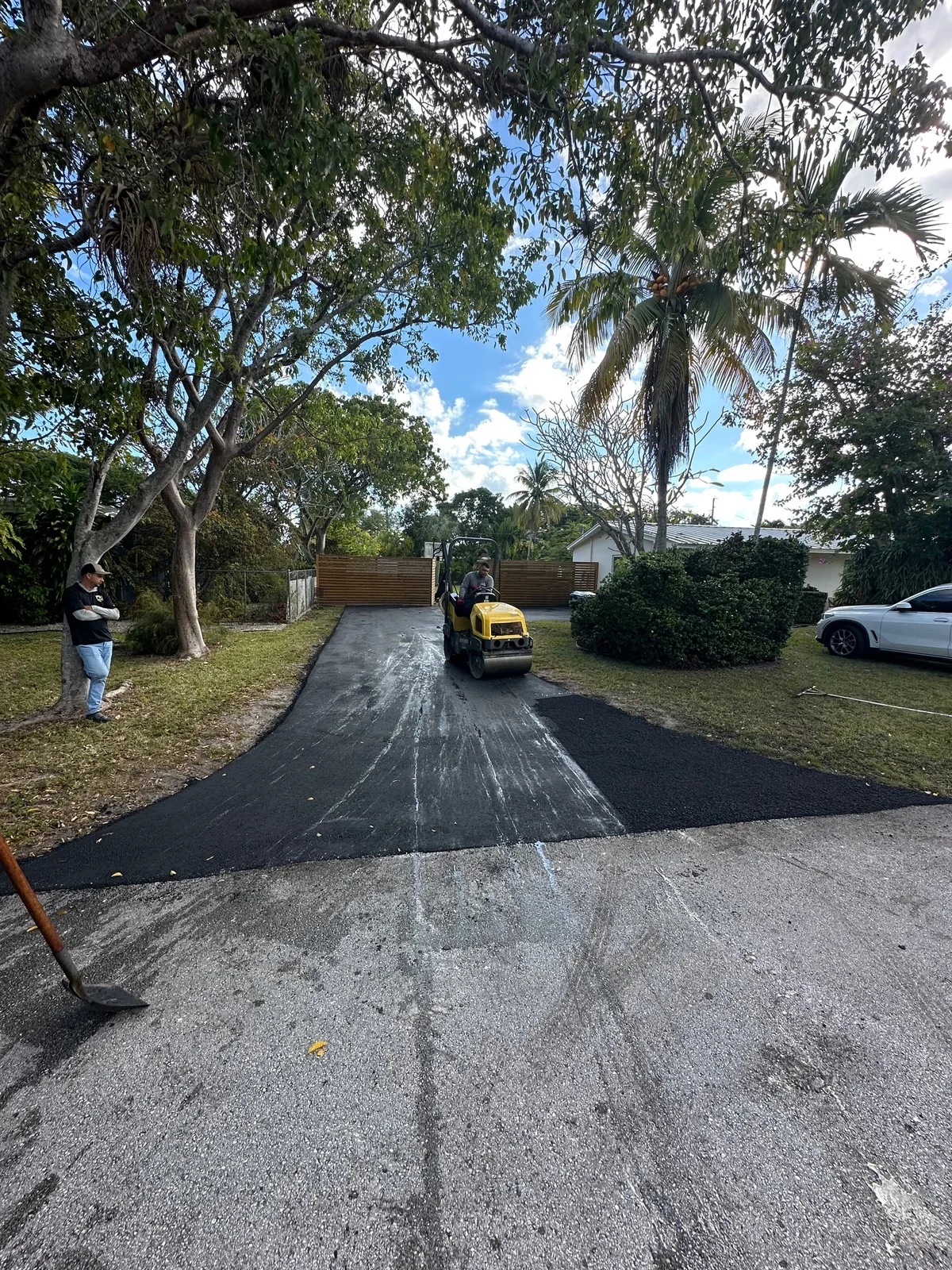
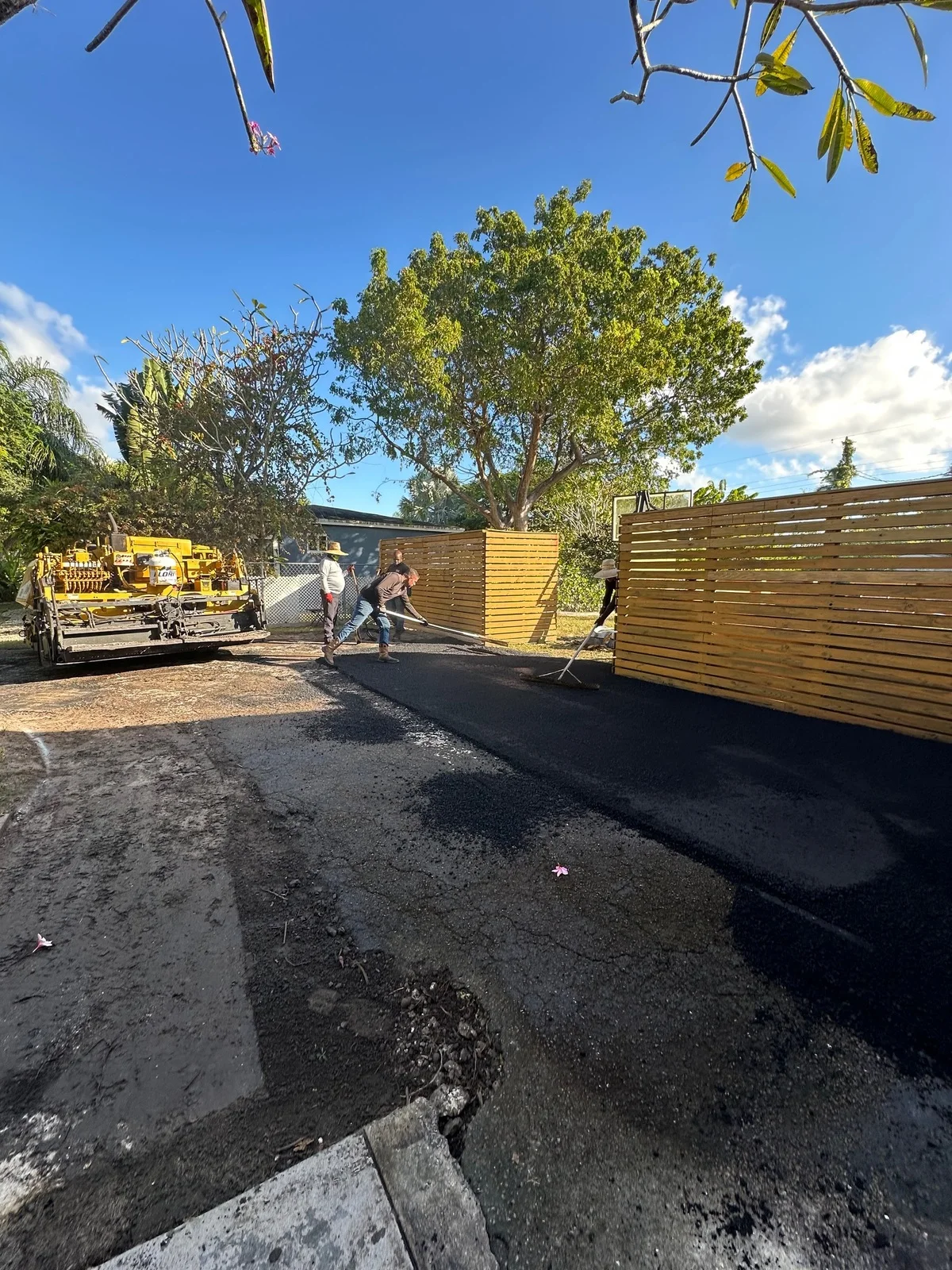

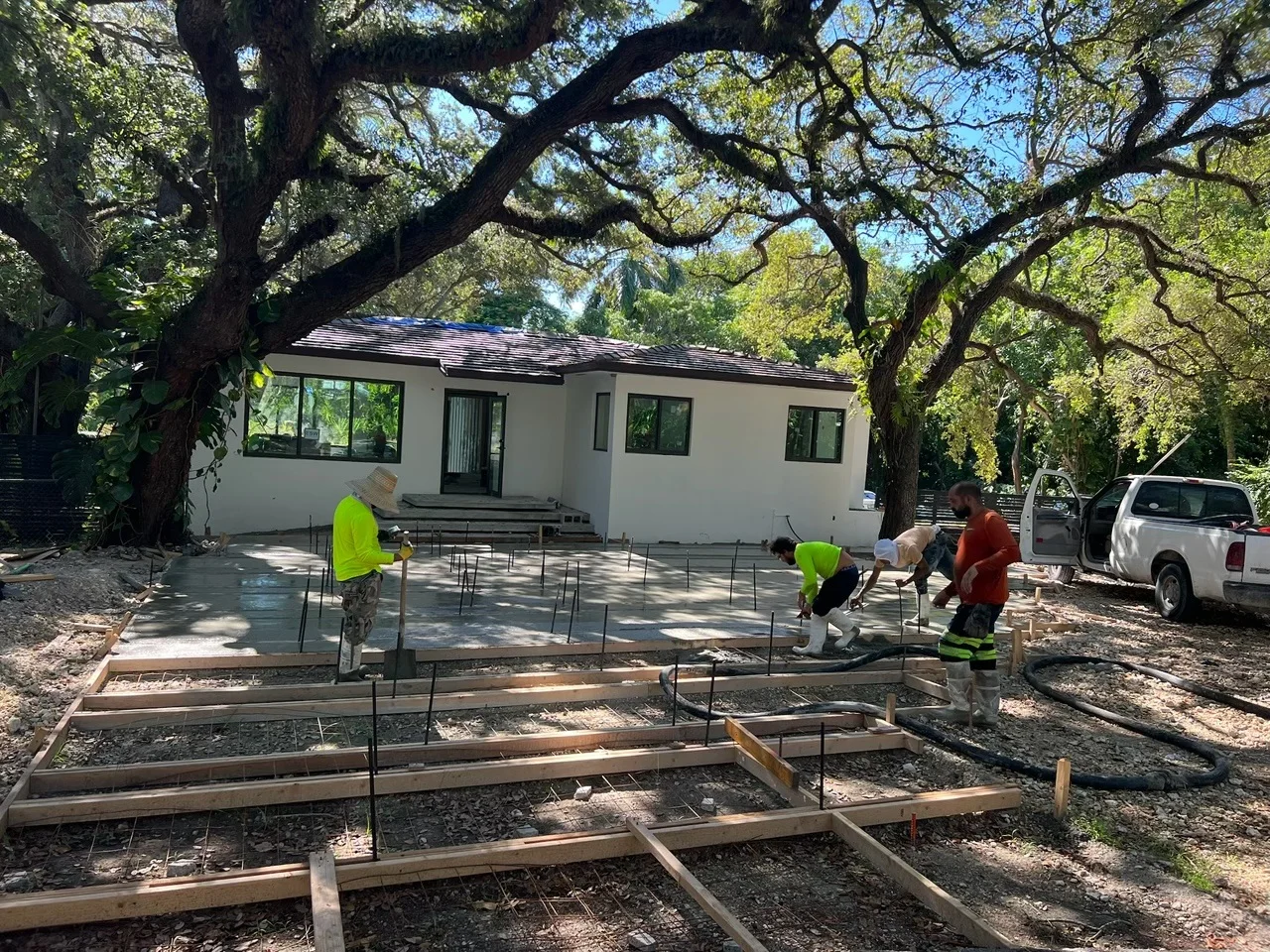
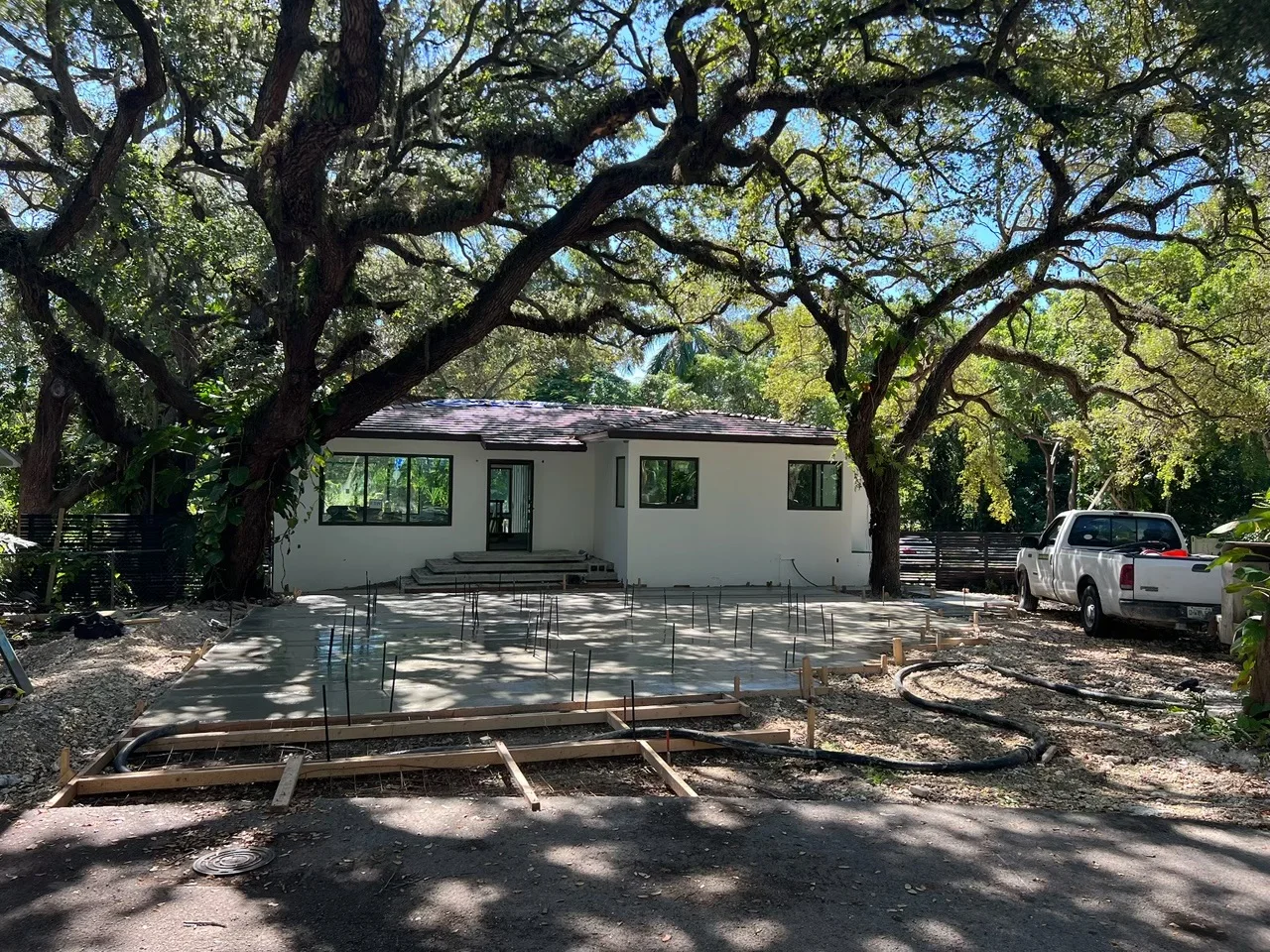
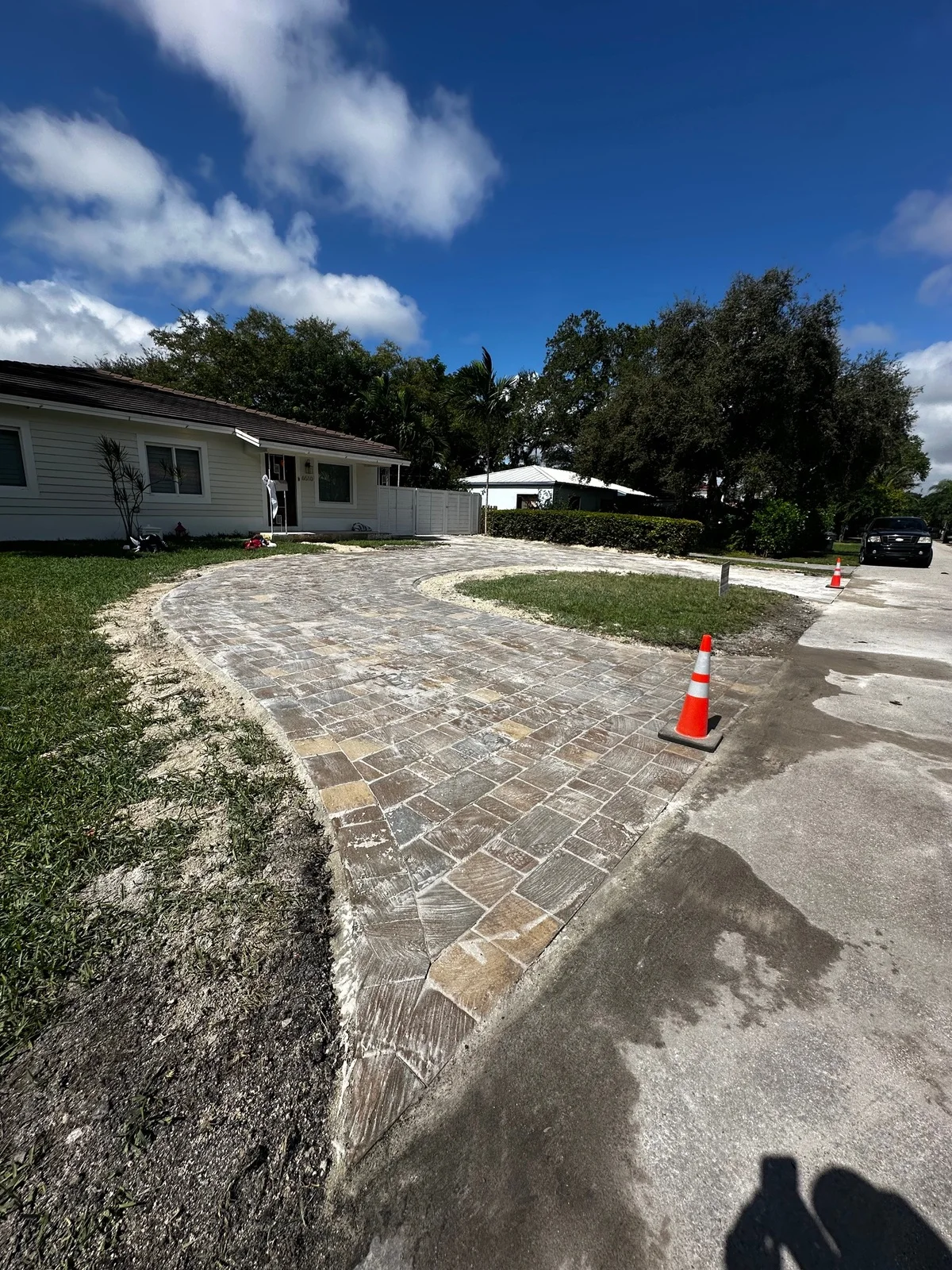

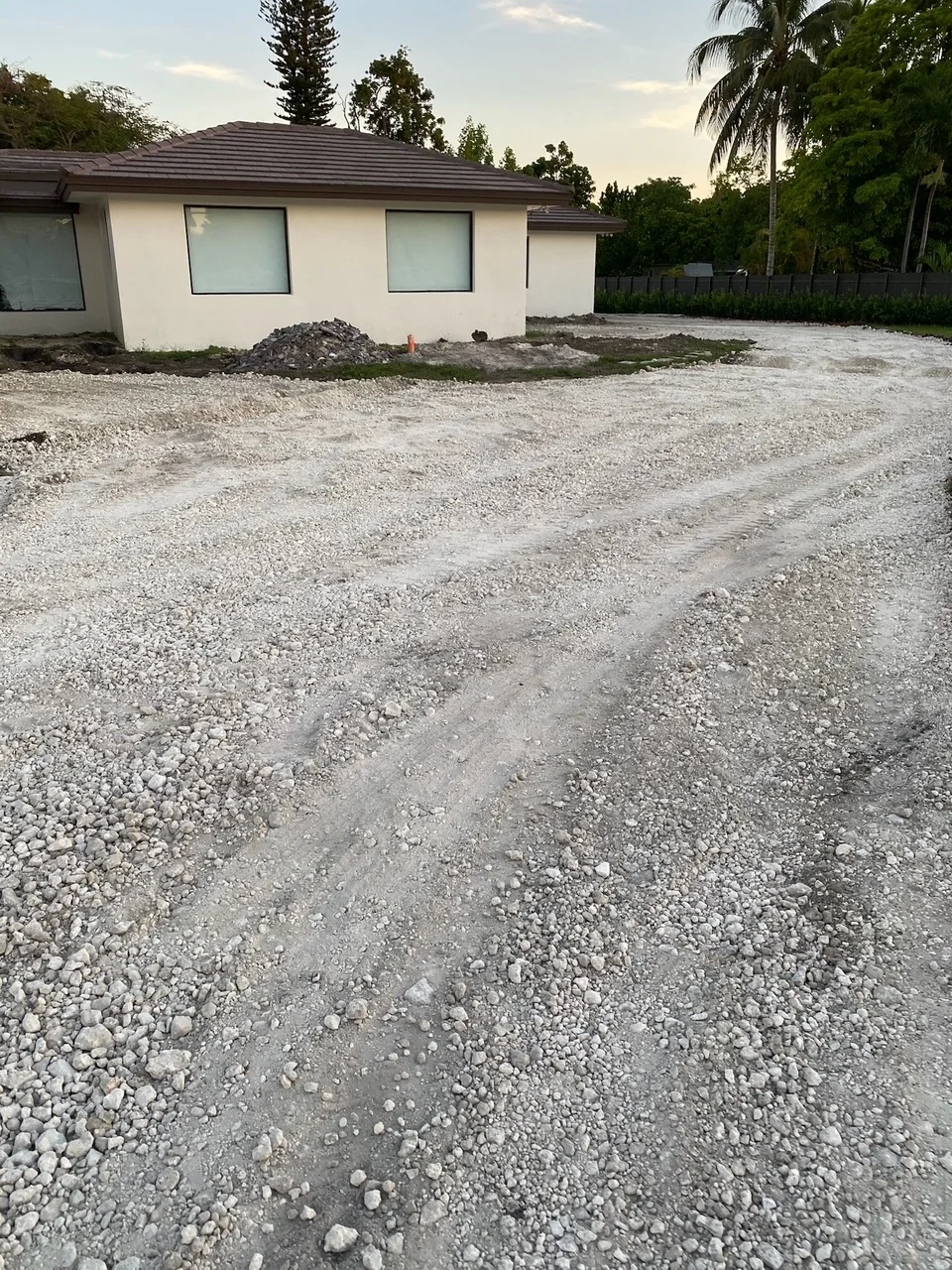
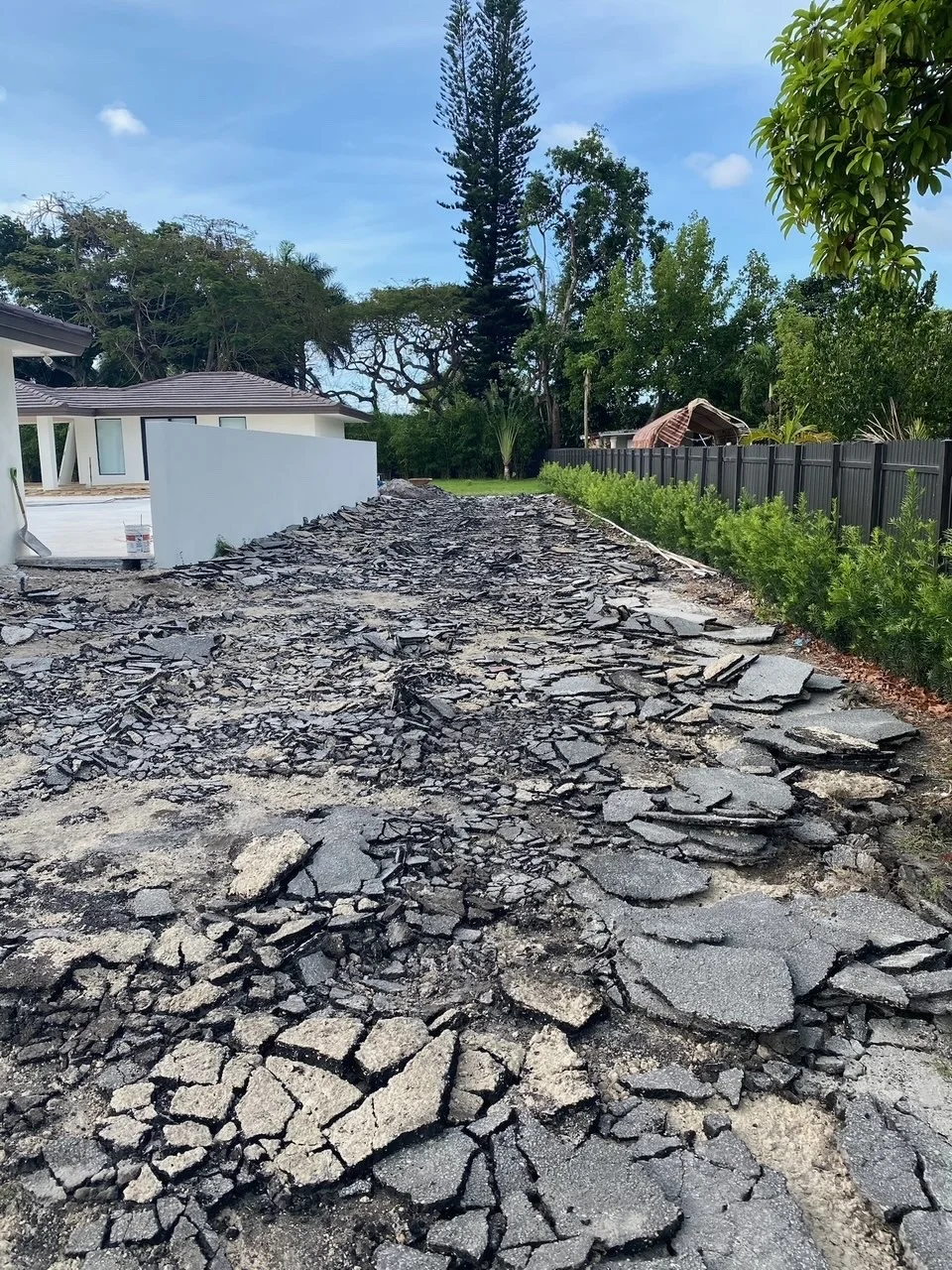
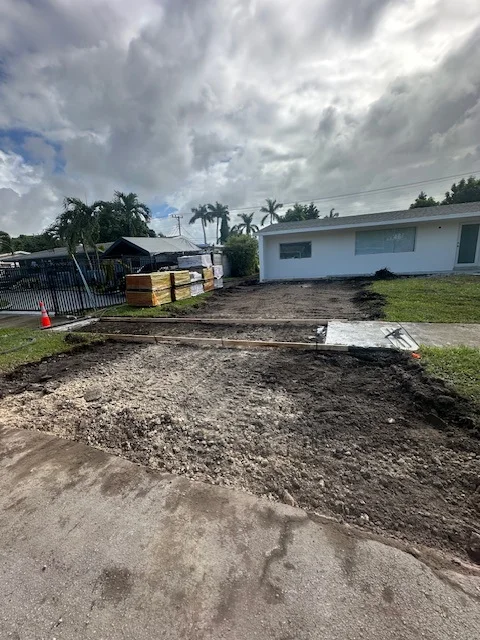

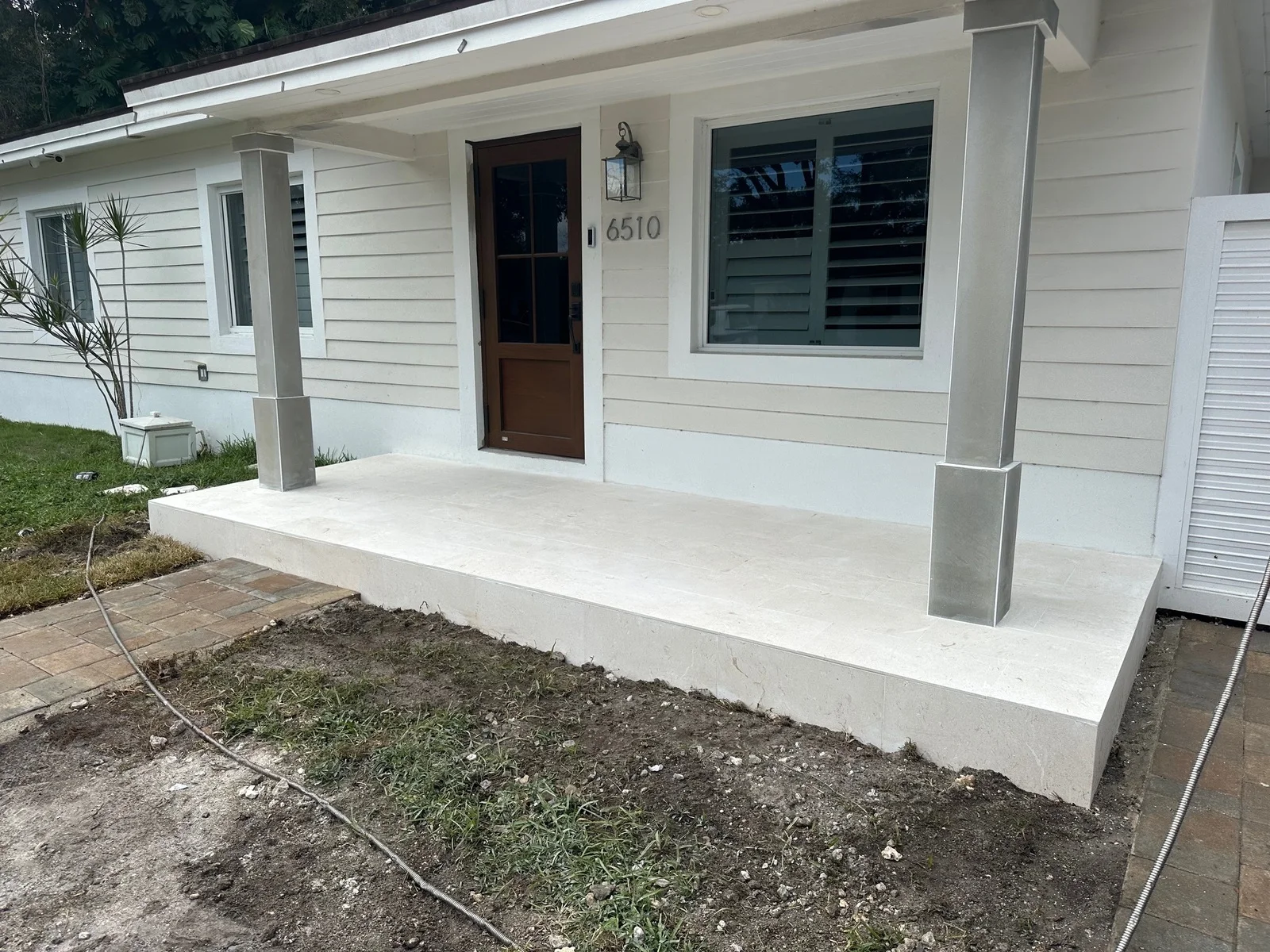

What you are looking at
Mostly paver driveways, patios and walkways around Miami, with the concrete, asphalt and tile jobs the crew takes on between them. The base work, the drainage thinking, and the finish tolerance are the same on every one of them.
What we are actually doing down there
A paver surface is really four layers and only one of them is visible. Under the pavers there is a thin bedding course of sharp sand, screeded dead flat. Under that is the base, which is compacted crushed aggregate and does the actual structural work. Under that is the subgrade, which is whatever your property is made of. The pavers on top are a wearing surface. They spread load and they look good, but they are not what holds the thing up.
Depth is decided by what the surface has to carry. A walkway that only ever sees people can sit on a shallower base than a driveway that takes a loaded pickup every day, and a commercial drive that takes delivery trucks needs more again. Anybody who quotes the same base depth for a garden path and a driveway is not measuring, they are guessing.
Compaction has to happen in lifts. That means putting the aggregate down in layers of a few inches and compacting each one before the next goes on. Dump the whole depth in at once and run a plate over the top and you get a hard crust over loose material, which behaves fine for a year and then starts settling in patches. This is the single most common corner cut in the trade and it is invisible on day one.
If nobody talks to you about drainage, they are quoting a different job.
Concrete pavers are the workhorse and cover most of what gets installed. Widest range of shapes and colors, most predictable to lay, and the easiest to match later. Color is pigment through the unit, so it fades gently with sun rather than wearing off, though it does shift over the first year or two as it cures out.
Clay brick keeps its color essentially forever because the color is the fired clay itself. It costs more, comes in fewer shapes, and it is the right answer when you want a surface that looks the same in twenty years.
Travertine is the one people ask for around pools, and for a good reason: it stays noticeably cooler underfoot than concrete in direct sun. It is a natural stone, so there is variation between units, and it wants a sealer if it is somewhere that gets oil or heavy staining.
Fall
Roughly an eighth to a quarter inch per foot away from the building. Invisible underfoot, decisive for where water ends up.
Restraint
A perimeter edge restraint is what stops the field creeping outward and the joints opening from the outside in.
Joint sand
Structural, not cosmetic. It transfers load between units, which is the whole reason a field of loose pavers behaves like a surface.
Common questions
Do I need to be home while you work
No. We need access and a water source. Most people go to work and come home to a finished section. If we hit something unexpected we call you that day, not at the end.
Will the new pavers match what I already have
Sometimes exactly, sometimes closely. Concrete pavers change color a little with sun and age, and older lines get discontinued. If we cannot match, we will show you the options before we order anything, including pulling units from a less visible area to patch a visible one.
What happens to the old surface
We break it out and haul it off. Concrete and old pavers go to a recycler where one is available. That is included in the scope, not added on after.
How do you keep it from settling again
By fixing the reason it settled. That usually means correcting drainage and rebuilding the base properly, and sometimes it means dealing with a root or a downspout that is dumping water in the wrong place.
Do you work with HOAs and property managers
Regularly. We are used to submittals, board timelines, and phasing work so residents keep access. Tell us what your approval process looks like and we will work inside it.
Do you cover Miami, FL
Yes. Miami, FL is inside our regular working area and we are out that way most weeks. Call and we will tell you honestly when we could get to you.
Start with a conversation
Send a couple of photos or just call. We will tell you what we think is going on, what it would take to fix, and whether it needs doing now or can wait.
Quality you can stand on